Perfect Diet - Perfect Nutrition
Diabetes
The Cause, Prevention, Treatment, and Control of Hypoglycemia, Insulin Dependent Type 1 Diabetes Mellitus, and Adult Onset Type 2 Diabetes
News You Can Use
What is Type 2 Diabetes?
Perfect Diet - Perfect Nutrition
Diabetes
The Cause, Prevention, Treatment, and Control of Hypoglycemia, Insulin Dependent Type 1 Diabetes Mellitus, and Adult Onset Type 2 Diabetes
News You Can Use
What is Type 2 Diabetes?
"In type 2 diabetes mellitus, also known as type 2 diabetes, the body tissues seem to need more help from insulin in order to absorb sugar from the bloodstream. Normal amounts of insulin do not trigger enough sugar movement. Larger and larger quantities of insulin are needed to accomplish the same job. Doctors call this change in the tissues insulin resistance."
"If your body has insulin resistance, your pancreas will try to help by producing larger quantities of insulin. By this effort, your pancreas may be able to make the insulin signal strong enough for you to keep sugar moving from the blood into your tissues. But over time, as insulin resistance becomes more exaggerated or as your pancreas wears out from its extra efforts, your body may not be able to keep up with the demand for extra insulin. Sugar then builds up in the bloodstream while your muscles and other working tissues go "hungry.""
"A high bloodstream-sugar level is what leads doctors to diagnose diabetes. More than 90 percent of all people with diabetes mellitus have type 2 diabetes (from insulin resistance). Type 2 diabetes causes serious health problems that are related to high blood-sugar levels, high insulin requirements and sugar-hunger in the tissues."
Type 2 Diabetes Scientific Facts
The scientific facts about diabetes differ significantly from diabetes information given by pharmaceutical companies, blood glucose testing instrument companies, professional organizations such as the American Diabetes Association (ADA), books, and websites. Incorrect or inaccurate statements are made about type 2 diabetes because of bias or financial gain. The recommendations of the American Diabetes Association are based on the USDA Food Guide Pyramid that has no scientific basis.
The USDA Food Guide Pyramid and FDA Recommended Daily Allowance are solely responsible for the current high incidence of adult onset type 2 diabetes, which has tripled in the last 30 years. Type 2 diabetes is becoming common among teenagers, who were once thought to be excluded from this "age related" disease. The risk of heart disease is 500% higher in people with type 2 diabetes. The National Diabetes Education Program says, "At least 65% of diabetics die from heart disease or stroke." People with diabetes have a significantly increased risk of cancer.
The professional dietary and medical advice given by the United States Department of Agriculture (USDA) and the United States Food and Drug Administration (USFDA) has been an utter failure. The USDA has published the official diet in the form of an icon called the USDA Food Guide Pyramid. The USFDA has published the official USFDA Recommended Daily Allowance (RDA) for carbohydrate, protein, and fat. However, therein lies a big flaw. Neither the Food Guide Pyramid nor the RDA is based on scientific facts. If you follow the Food Guide Pyramid as your daily nutritional guide, you will encounter many related degenerative diseases like diabetes, heart disease, cancer, bowel disease, autoimmune diseases, and many more. The USDA Food Guide Pyramid and FDA Recommended Daily Allowance are solely responsible for the current high incidence of adult onset Type II diabetes which has tripled in the last 30 years. Type II diabetes is becoming common among teenagers, who were once thought to be excluded from this "age related" disease. People with diabetes have a significantly increased risk of cancer. Now the USDA has the gall to tell us it was our fault for not exercising enough. They were wrong then, and they are wrong now. Exercise will not prevent the escalating health care crisis.
USDA - Dietary Guidelines for Americans, 2005.

The new 2005 USDA Food Guide Pyramid adds more confusion by having many different pyramids from which you must make a selection. This system will cause the current obesity, cancer, diabetes, and heart disease epidemics that were caused by the previous Food Guide Pyramid to become more severe.
Universities are Turning America into a Nation of Idiots, Fat, Drunk and Stupid.
United States congress, government officials, USDA, and the FDA have believed for many decades that recommending a low-carbohydrate diet to the public would result in people living considerably longer, which is true. They have feared that the increase in longevity would bankrupt the United States Social Security Administration, which is also true. However, they did not do a complete analysis and overlooked the long-term negative health effects caused by the low-fat diet recommendation. As a consequence, the low-fat diet recommended by the USDA Food Guide Pyramid has resulted in "The Stealth Epidemic" of diabetes, heart disease, and cancer sweeping the country. The result will be a bankruptcy of the Medicare system as the "Baby Boomers" reach retirement age.
Diabetes and Its Awful Toll Quietly Emerge as a Crisis - New York Times - January 9, 2006.
The USFDA Nutritional Guidelines Are Not Scientific.
The scientific facts surrounding type 2 diabetes are:
Type 2 diabetes is not an inherited disease as often claimed.
Type 2 diabetes is 100% preventable by eating the low-carbohydrate diet..
Type 2 diabetes is 100% caused by eating excessive amounts of carbohydrates.
Type 2 diabetes symptoms can be controlled by eating the low-carbohydrate diet.
Animal fats do not cause diabetes and do not make diabetes worse..
Saturated animal fats do not cause diabetes and do not make diabetes worse.
Many sources claim that type 2 diabetes is inherited because several members of the same family are stricken with the disease. People often state they have diabetes because it runs in the family. There is no scientific genetic linkage to diabetes. You cannot have a DNA analysis that shows you will develop type 2 diabetes. The common thread that runs in families that have diabetes is not genetic. The thread is created when family members pass on dietary preferences or prejudices that increase the risk of developing diabetes. Mothers with diabetes commonly pass recipe books to daughters who also develop diabetes because they eat the same high-carbohydrate diet..
The best reference book for preventing and controlling type 2 diabetes is:
William and his wife are good examples of those who religiously followed the low-fat diet as outlined by the American Heart Association and the USDA Food Guide Pyramid. William would have loved eating eggs for breakfast and a big, fatty, medium-rare beef steak for dinner, but his wife would not let him. Yes, he was henpecked, and she was domineering to the max. She insisted they both eat the low-fat diet with whole grain cereals for breakfast, whole grain bread, whole grain pasta with soy protein, salads, soy veggie burgers, and lots of fruit. She said, "Her diet was the best in the world." She claimed the smell of cooking meat made her sick, and she could not swallow the smallest piece of fat without gagging. She was a "health nut" who insisted her diet was the best in the world, but her low-fat diet made them them both fat just like the obesity epidemic plaguing all English-speaking countries. Their daughter became obese and was diagnosed with Polycystic Ovarian Syndrome. His doctor put him on a cholesterol-lowering drug because his LDL was "a little high." The doctor did not measure his glucose or insulin levels. William had a heart attack followed by a quadruple artery bypass operation after being on the cholesterol-lowering drugs for five years. The cholesterol drugs did not prevent his heart disease because heart disease is not caused by cholesterol. William had two strokes after the bypass surgery, suffered terribly, and died several months later. He was diagnosed with diabetes during his first treatment in the hospital for his heart attack This was a total surprise to the family. His doctor never tested him for blood glucose irregularities. His doctor agreed with his low-fat diet but totally misunderstood the disastrous health effects of the low-fat diet. Sixty-five percent of diabetics die from heart disease because insulin causes heart disease, not cholesterol or saturated fats. William's wife hasn't faired too well on her low-fat diet either. She has also been diagnosed with diabetes that has progressed to the point were drugs are not sufficient. She will soon be taking insulin shots. She has also had surgery for cancer twice, had her gallbladder and appendix removed, and suffers from inflammatory bowel disease and degenerative spine disease. Wow, best diet in the world?
One test for diabetes is to measure the concentration of glycosylated (or glycated) hemoglobin usually called hemoglobin A1c. This is blood hemoglobin that has been attached to glucose molecules in the presence of high insulin levels. Since the life span of red blood cells is about 120 days, this test indicates the long-term level of blood glucose and insulin. Glycated hemoglobin is one of the causes of coronary artery disease. This is why 65% of diabetics die from heart disease.
Benfotiamine, Lipid-Soluble Form of Vitamin B1, Blocks Damage Caused by Hyperglycemia.
"Diabetes accelerates the aging process and leads to complications that include blindness, renal failure, nerve damage, stroke, and cardiovascular disease. It has been hypothesized that high plasma glucose concentrations are responsible for increased mitochondrial free radical production and subsequent inactivation of glyceraldehyde phosphate dehydrogenase (GAPDH) in vascular endothelial cells and other cells implicated in these complications. As a result of the decreased ability of GAPDH to process upstream metabolites, three pathways of metabolic damage are activated, which include the advanced glycation end-product formation pathway, the protein kinase C pathway, and the hexosamine pathway. All three pathways have been implicated in abnormal cell signaling in diabetes. A group of German and U.S. scientists has now found that treating diabetic rats with high doses of benfotiamine, a lipid-soluble form of vitamin B1, can prevent diabetic retinopathy and all three forms of metabolic damage by stimulating transketolase activity and thus diverting excess metabolites toward the pentose pathway."
Mega Benfotiamine, 250 Mg 120 Vegetarian Capsules. Up to 1050 mg per day is required per study.
Benfotiamine, 150 Mg 240 Vegetarian Capsules.
TEST: If you believe the low-fat diet is healthy, you have been brainwashed.

What Causes Type 2 Diabetes?
The cause of type 2 diabetes is a diet high in carbohydrates that is consumed over many years. The damage done to the body by such a diet is cumulative; therefore the disease is commonly classified as "age related." Unfortunately the high-carbohydrate diet that causes diabetes is recommended by the American Diabetes Association (ADA).
The march toward type 2 diabetes begins when the body becomes insulin resistant. The muscle cells of the body become resistant to the onslaught of blood glucose forced into the cells by the insulin hormone. The cells are forced to process the glucose into work energy or heat energy. The cells have no choice. People eating the high-carbohydrate diet are forced into having a high metabolism, the body's attempt to process the glucose. This high metabolism is not a desirable condition as most people think.
Several signs of insulin resistance can be seen at an early age. Babies still in the womb can be forced into insulin resistance because the mother is producing high levels of insulin as a result of her high-carbohydrate diet. These babies are generally born with excessive body fat. They continue to become fat children and obese adults who develop type 2 diabetes when fed the same diet as their mother. The mother's diet causes the child to become diabetic, not the genes inherited from the mother.
Complications from elevated blood sugar levels over the long term include damage to nerves, blood vessels, muscles, skin, eyes, heart, kidneys, and many different parts of the body. Diabetes causes blindness and the necessity for amputation of toes. Diabetes causes heart disease and peripheral artery disease of the legs. The high level of blood glucose and insulin in the diabetic forms complex molecules composed of glucose that becomes attached to healthy body molecules such as LDL cholesterol, protein, hemoglobin, and the lining of the arteries. The arteries thicken resulting in poor blood flow and poor oxidation of tissues because of the atherosclerosis (plaque in the blood vessels) which in turn damages many structures of the body. Poor circulation of the arteries throughout the body can damage the heart, eyes, kidneys, brain, nerves, muscles, and skin. The poor blood flow slows the healing of injuries. The tissues in the toes simply die from lack of oxygen and must be amputated. Damage to the nerves causes numbness, especially in the feet and legs.
Excessive body fat is a sure sign of insulin resistance. However, thin people can also become insulin resistant, and they may feel no symptoms at all until stricken with hypoglycemia (low blood sugar). They have no idea that insulin resistance has caused their insulin level to increase steadily in order to process the same amount of blood glucose. Insulin resistance causes the insulin to overshoot the normal level in an attempt to reduce the blood glucose level. The excess insulin in the blood moves too much glucose into the cells in a delaying action, resulting in an abnormally low level of glucose, causing the symptoms of hypoglycemia. The onslaught of carbohydrates in the diet over many years causes glucose intolerance and insulin resistance that result in the person becoming diabetic.
"Despite the designation "normal," an individual frequently displaying a blood sugar of 140 mg/dl is a good candidate for full-blown type 2 diabetes." Dr. Richard K. Bernstein.
Dr. David's low-fat diet has caused his hypoglycemia, diabetes, heart disease, and degenerative disc disease.
This is the true story of an acquaintance who has been living according to the recommendations of the American Medical Association (AMA), American Heart Association (AHA) and the American Diabetic Association (ADA), but still got hypoglycemia at age 52, plugged heart arteries at age 59, and degenerative disc disease at age 62. There are millions of these cases each year in the United States, Canada, United Kingdom, and Australia. This is the story of a real person.
Australians more obese than Americans, study finds - June 19, 2008.
David is a doctor employed at the local hospital. His wife, Susie, also works there. They have followed the AMA and AHA recommended low-fat diet religiously for most of their adult lives. They always picked the low-fat selections in the grocery store and ate lots of "healthy" fruit and whole grains. They did recognize the necessity of eating meat, but they always selected the low-fat cuts, removed the visible fat on their plates, and always removed the skin from chicken.
Dr. David and Susie were "health nuts." They jogged several times a week until it damaged Susie's knees. The switch was then made to hiking the mountain where they live and riding bikes on the mountain roads. Exercise was a major priority. They ran the local 10K race every year. When Susie could no longer run because of her knees, David continued to run the race religiously. It was the highlight of their health activity.
Neither Dr. David nor Susie was ever fat or overweight. They never went on yo-yo diets because it wasn't necessary. They never smoked or drank alcohol which was very much against their religion and health rules. They didn't eat many simple carbohydrates like sugar and white flour. They presented bodies that appeared to be the optimum in health, but inside they were sick, sick, sick.
By age 52 Dr. David was having blood sugar metabolism problems. His blood sugar would surge when he ate his normal high-carbohydrate meals but plunge later giving the typical symptoms of someone who is pre-diabetic. Being a doctor, David followed the recommendations of the American Diabetic Association (ADA) by snacking on peanut butter and crackers between meals in order to keep his blood sugar stable. Dr. David's biggest disadvantage was being a doctor because he believed the nonsense put forth by the above professional societies. The low-fat diet is always high in carbohydrates and produces high blood insulin levels. Dr. David is suffering because he believed the "big fat lies" about the low-fat diet.
Dr. David was complacent about learning nutritional facts and didn't question recommendations put forth by his professional societies. He didn't do his own research into the history of heart disease. If he had, he would have discovered that heart disease was so rare in 1900 it was not listed in the medical books. He didn't realize the cookbooks of the era show people eating lots of saturated fat in the form of pork lard, beef suet, butter, eggs, and coconut oil. Eating the skin from chicken and turkey was considered the "best part of the bird." Dr. David still doesn't realize the low-fat diet is an attempt by vegetarians to discourage the eating of animals and has nothing to do with healthy nutrition. He doesn't realize how deadly carbohydrates like fruit, bread, whole grains, cereals, sugar, flour, rice, legumes, potatoes, and soy really are.
Dr. David and Susie were proud that they considered themselves health and diet extremists. They followed the popular exercise and diet recommendations to the letter. They still think the USDA Food Guide Pyramid is a healthy way of eating because it is fully supported by his professional medical societies.
Dr. David is now forced to decide which mechanical method to use to unplug his heart arteries. He doesn't believe diet and exercise can help. What can he eat? He has been on the recommended low-fat diet for many years. His exercise has been unrelenting. His lifestyle was in perfect accordance with all the recommendations. His doctors will no doubt recommend the same diet for the cure when actually it was the cause of his heart disease. Dr. David is in big trouble. What does a doctor do now? His erroneous training had double-crossed him, and he doesn't even know it.
The dual keys to the prevention and removal of partial atheromas are keeping insulin low and HDL cholesterol high. This is only possible on the low-carbohydrate diet.
Dr. David's declining health hasn't stopped there. He developed degenerative disc disease in his back that required the fusing of two vertebrae. He and Susie still eat lots of fresh fruit, dried fruit, and yogurt with fruit as recommended by his profession for healthy bones. Now she has been diagnosed with cancer and has had a heart pacemaker implanted in her chest. They do not realize their high-carbohydrate diet is slowly killing them.
Heart Attack (MI) - Merck Manual.
Preventing Osteoporosis, Bone Loss, Hip Fractures, and Degenerative Disc Disease.
What is the Cause and Cure for Hypoglycemia?
Hypoglycemia is an abnormally low blood glucose episode that follows the ingestion of carbohydrates by a person with serious insulin resistance. Hypoglycemia is an insulin-glucose roller coaster. People eat a high-carbohydrate meal that results in hypoglycemia an hour or two later. They then consume more carbohydrates to raise the blood glucose back up to normal, but this causes another surge in insulin. The roller coaster cycle continues. Many doctors incorrectly recommend that the patient nibble on carbohydrates throughout the day to keep the glucose level stable. People who nibble on carbohydrates falsely believe they have their hypoglycemia under control by diet. Nothing could be further from the truth. The practice of nibbling carbohydrate foods to control the blood glucose level simply marches a person with hypoglycemia down the road to full-blown type 2 diabetes. The final result is the requirement to be given insulin injections after the beta cells of the pancreas stop producing enough insulin to match the amount of carbohydrates in the diet. Hypoglycemia completely disappears on the low-carbohydrate diet and insulin resistance is healed. The production of insulin by the pancreas drops to a minimum level thereby preventing the onset of insulin dependent diabetes. The low level of insulin prevents the accumulation of plaque in the arteries of the heart, legs, and neck. The low level of insulin also prevents Alzheimer's disease.
The root cause of hypoglycemia is excessive insulin, not the lack of carbohydrates in the diet.
The body must be switched from burning glucose for energy to burning fat for energy in order to get off the carbohydrate - insulin - hypoglycemia - carbohydrate roller coaster. The high-fat, low-carbohydrate diet recommended here provides fat for energy while allowing the blood insulin and glucose levels to remain perfectly stable.
Dealing with Low-Carb Ketosis or Hypoglycemia Symptoms
The low-carbohydrate, ketogenic diet typically produces a mild ache in the forehead. This is especially true for those new to the diet. The feeling is unlikely to be hypoglycemia (low blood glucose) in most healthy people. Simply ignoring it is one possibility. Energy is provided by fat rather than glucose. The protein in the diet provides amino acids for health, muscle building, and some glucose as needed. A small amount of carbohydrates in the diet promotes muscle building.
Diet for Blood Sugar Control, Energy, and Muscle Building
Get a Free Blood Glucose Meter. Buy an Accu-Chek meter or any other brand that offers a full-cost rebate. The best brand and model to buy depends on the number of test strips included because replacement strips are expensive. It is simple to use with a small lancet and a lancet holder that looks like a pencil. Some lancets should also be included. The blood glucose level is most likely to be highest for a non diabetic (100 to 110 mg/dl) upon awaking in the morning because the liver produces glucose during the night.
Hypoglycemia. The low-carb headache is not hypoglycemia unless the blood glucose level is below 70 mg/dl. Avoid hypoglycemia by snacking on meat as described below.
Snack. Eat a good high-fat meat for a snack. Baked or fried chicken thighs are great. The body can convert 58% of protein to blood glucose as needed without raising insulin levels. Meat in a snack prevents hypoglycemia naturally without eating sweets. Don't wait until hypoglycemic symptoms have appeared. Canned salmon is the perfect food because it also has a high level of essential DHA and EPA omega-3 fatty acids. Make sure the salmon includes water and salt only. Do not buy a salmon with soybean or other bad omega-6 vegetable oils. Do not eat tuna fish as is a common practice because it does not have any omega-3 fats. Hard cheese is OK if the salt content is less than 200 mg per serving. Avoid salt if high blood pressure is a problem. Eating fat tends to lower the blood glucose. Eating meat tends to increase glucose gradually to a healthy level. Eating a large amount of meat will not cause hyperglycemia as occurs with carbohydrates and starches because the body will only convert the protein to glucose as needed. Some hard cheese, such as Swiss cheese, eaten with the meat as also very good.
Vegetables. Eat some cooked peas and/or cooked carrots to receive a small amount of carbohydrates which stimulate the body to use the protein for muscle building. The volume of vegetables should be less than the volume of meat in any snack.
Low-Carb Fruit. Eat some low-carb raspberries, strawberries, or blueberries or one quarter of an orange as a small carbohydrate stimulant. The volume of low-carb fruit should be less than the volume of meat in any snack.
Minerals, Vitamins, and Supplements. Optimal health requires an abundance of vitamins, minerals, and supplements. The full array of colloidal minerals is very important. Click on the links on the attached page to see products at a reasonable price.
My personal vitamin, mineral and supplement program by Kent R. Rieske.Protein and L-Glutamine Drink. Prepare a drink made with whey amino acid protein powder which is enriched with extra glutamine amino acid. The protein powder consists of a full compliment of amino acid isolates that heal the body and require no digestion. Prepare the drink by blending 8 to 16 oz of reverse osmosis with UV lamp water or unsweetened, low-sodium tomato juice with 1 heaping teaspoon (12 gm) of whey protein powder plus 1 rounded teaspoon (8 gm) of glutamine amino acid powder. Stirring vigorously with the teaspoon is sufficient. The whey protein must be specified on the carton as isolates from cross flow microfiltration and ion-exchange, ultrafiltered concentrate, low molecular weight, and partially hydrolyzed whey protein peptides rich in branched chain amino acids and glutamine peptides. The low-carbohydrate type at 1 gm per scoop or less is best, but it should not be more than 4-5 gm of carbohydrates per scoop. Do not substitute protein from soy, egg, casein, or any other source. Sugar or any other sweetener is unacceptable. Use the "natural flavor" without additives. This amino acid drink can be enjoyed anytime with or without a meal. Amino acids are foods that build and maintain the body. Refrigerate whey protein powder and discard if it is old. Whey protein powder can cause some gas and an unusually "full" feeling. Discontinue the whey protein powder if the reactions are unpleasant. Continue to take the glutamine powder.
L-Glutamine Amino Acid.
Ultimate Lo Carb Whey Powder - Natural Flavor by Biochem.
Amino Acids - The Building Blocks of Life and Healing.This combination of amino acids has been shown to provide the following healing properties:
Provides pain killing effects by healing the nervous system.
Absorption of body building amino acids without requiring digestion.
Stimulates insulin like growth factor 1 (IGF-1) which functions similarly to insulin and enhances protein synthesis and healing.
Fights infections by stimulating the immune system. All immune cells are made from poly-peptides of amino acids.
Provides bone growth of protein collagen and strengthens bones. Poor digestion has been shown to cause osteoporosis and degenerative bone disease.
Provides all of the amino acids required to heal and grow ligaments, tendons, joints, muscles, intestinal tract, heart muscle, and all other organs of the body.
Prevents hypoglycemia (low blood sugar) symptoms in people with hypoglycemia or diabetes.
The three most nutritionally important omega-3 fatty acids are alpha-linolenic fatty acid (ALA), eicosapentaenoic acid (EPA), and docosahexaenoic fatty acid (DHA). Alpha-linolenic fatty acid is one of two fatty acids traditionally classified as "essential." The other fatty acid traditionally viewed as essential is an omega-6 fat called linoleic acid. These fatty acids have traditionally been classified as “essential” because the body is unable to manufacture them on its own and because they play a fundamental role in several physiological functions. As a result, we must be sure our diet contains sufficient amounts of both alpha-linolenic acid and linoleic acid.
Problem with High-Fructose Coke and Sodas:
A low level of blood sugar triggers a very strong desire for sweets. The high-fructose Cokes or other sodas cause a sudden surge of blood glucose. It certainly does remove the craving. It also sends insulin levels soaring. This makes one hyper and anxious. It also provide a strong surge of energy which makes one feel euphoric.
Roller-Coaster Blood Sugar Ride:
The high level of insulin causes blood sugar to plunge which causes low blood glucose and the craving for more sugar. This is a roller-coaster ride that is highly addictive.
Problem with Diet Coke and Diet Sodas:
Do not drink any diet soft drinks containing aspartame. Do not eat any foods sweetened with aspartame. Aspartame is converted in the body to the amino acid phenylalanine that is the precursor to tyrosine, which, in turn, is the precursor to dopamine and the excitatory neurotransmitters, epinephrine and norepinephrine (commonly called adrenalin and noradrenalin). These neurotransmitters are powerful vasoconstrictors that constrict the blood vessels to raise blood pressure dramatically. Aspartame hypes the hormonal system causing hunger, anxiety, and insomnia (lack of sleep). Do not take phenylalanine and tyrosine supplements except as part of a low-carb whey protein powder. Phenylalanine and tyrosine are both helpful in treating depression but both should be avoided by persons with hypertension. Phenylalanine should be avoided for people with:
High blood pressure. Has hypertensive properties.
Urination Difficulties Caused by Benign Prostate Hyperplasia (BPH or enlarged prostate).
Pregnancy. The excitatory neurotransmitters are not good for the baby.
Pigmented melanoma. Melanoma is the deadliest form of skin cancer.
PKU (phenylketonuria). Disorder related to improper phenylalanine metabolism.
Panic disorder and/or anxiety attacks.
Insomnia or difficulty obtaining adequate sleep.
This is not simply a prejudice against aspartame. Most of the negative claims against aspartame are false. Most critical sources claim that aspartame turns to formaldehyde in the blood. This is basically false. Ten percent of the aspartame can be converted in the small intestines into methanol which could possibly be converted to formaldehyde, but this does not occur because formaldehyde is not found in the blood of a person who consumes aspartame sweetened diet drinks and foods. However, it is a scientific fact that aspartame is broken down into phenylalanine during digestion. Diet drinks containing aspartame give this warning on the can for people with PKU who cannot metabolize phenylalanine.
How the Low-Carbohydrate Diet Controls Type 2 Diabetes
Letter On Corpulence by William Banting - 1869
Letter on Corpulence by William Banting is the first book about the benefits to health of a low-carbohydrate diet. It can be read online. Mr. Banting of London, England, was advised to follow the diet by his Doctor, William Harvey, who had heard about the diet as a cure for diabetes in a lecture given in Paris by Mons. Bernard. The diet was known and applied to athletes to achieve better performance but was not generally given to unhealthy or obese people to cure their ailments. Mr. Banting showed that it did. His book was highly criticized by the established medical community just as the low-carbohydrate diet is today. Mr. Banting proved all of the criticisms to be false. You can also read a brief summary of The Harvey-Banting Diet, Letter on Corpulence.
In the 1860s a person with type 2 diabetes either followed a low-carbohydrate diet as proposed by Mons. Bernard or he died. There was no other option. There were no medications and no insulin was available. Most people and very few doctors had heard about the low-carbohydrate diet to control diabetes and many of those doctors simply rejected the theory. Mons Bernard admitted that the simple record of his own experience of the value of the system had brought it to the clear light of day, and that if it had been written by a medical man, it would scarcely have been noticed by the general public at all.
Reducing the amount of carbohydrates in the diet has immediate positive results. It stops the insulin-glucose roller coaster and stops the march toward full-blown type 2 diabetes. Those who are already in a late stage of type 2 diabetes must move more carefully into the low-carbohydrate diet because the body must switch from burning glucose for fuel to burning dietary fats. These people may have never lived on a high-fat diet. Their bodies are simply unaccustomed to burning fat in cells for energy. The hesitation of the body to switch from burning glucose to burning fat causes blood glucose levels to remain on the low side. Getting off the insulin-glucose roller coaster can be difficult for some people. The best approach is to buy Dr. Atkins' book listed above and seek treatment from a doctor who understands and recommends the low-carbohydrate diet.
Blood Glucose Control for Diabetics on the Low-Carbohydrate Diet.
The key scientific fact to remember here is that the body can turn 58% of protein and 10% of fat calories into glucose. The proper balance of protein to fat in the diet allows the body to maintain the proper level of blood glucose naturally. The best balance is 70% fats and 25% protein on a calorie basis. Going hungry will lead to an emergency hypoglycemic episode. Eating carbohydrates will lead to an emergency hyperglycemic episode. This is an hour by hour maintenance program. Proper snacks should be available during trips, outings, work, meetings, etc. Type 1 diabetics will still need insulin shots in the early morning before breakfast to reduce the glucose that was created by the liver prior to getting out of bed. All diabetic can eventually taper off all other drugs and medicines. Diet examples are:
Recommended Meals and Snacks:
Hard cheeses
Baked chicken thighs
High fat burgers
Eggs
Any other foods that are 70% fat and 25% protein
Poor Food Choices for Diabetics:
Lean chicken breast
Butter on green salad with no protein
Butter on cooked vegetables with no protein
All high carbohydrate foods
All foods with fructose
Fruits are bad foods for a diabetic to eat.
The American Diabetes Association recommends diabetics eat the USDA Food Guide Pyramid diet that relies heavily on fruit. This is a very bad recommendation with no scientific basis. The fructose in fruit does not raise the insulin level as much as glucose, but the fructose increases insulin resistance in the cells more readily than glucose. Fructose is used in research to force quick insulin resistance in test animals who are quickly turned into diabetics by feeding them fructose. Fruit forces insulin resistance in humans in the same way. Drinking fruit juice is worse than eating whole fruit since the fructose is concentrated in juice. A glass of fruit juice can contain more fructose than several servings of whole fruit.
A high-fructose diet induces insulin resistance but not blood pressure changes in normotensive rats.
Fructose, weight gain, and the insulin resistance syndrome.
Tissue-specific impairment of insulin signaling in fructose-fed rats.
Low-Carb Pavilion -- Nutritional Chemistry.Fructose is digested in the small intestine and routed directly to the liver where it is turned into triglycerides (blood fats). Yes, fructose from fruit juices, sugar, and high-fructose soft drinks is turned into blood fats faster than you can swallow. The fructose causes non alcoholic fatty liver disease, liver cancer, and heart disease. The fructose in not allow to circulate throughout the body and can only be metabolized by liver cells. This is why vegetarians on the low-fat diet usually have high levels of blood fats and why fructose is not included on your blood chemistry analysis report.
Food manufacturing companies market cookies and desserts made with fructose rather than glucose or sucrose and claim they are an acceptable food for diabetics because they produce a lower insulin response. Nothing could be farther from the truth. Although fructose produces a smaller surge in insulin than glucose or sucrose, diabetes symptoms are made more severe over the long term. Don't fall for this scam.
It is a scientific fact that fructose sugar in fruit causes insulin resistance that increases the risk of Alzheimer's disease, heart disease, high blood pressure, cancer, and diabetes. See the following truthful study that proves fructose as found in abundance in fruit and fruit juice is one of the root causes for metabolic syndrome, diabetes, heart disease, cancer, inflammatory bowel disease, and Alzheimer's disease.
People with diabetes have two times the risk of also suffering from Alzheimer's dementia of the brain than do non diabetics. Those diabetics who are insulin dependent have a fourfold risk of developing Alzheimer's dementia. This is not a small difference. It is a 500% increase. This is a massive increase in the incidence of Alzheimer's in those diabetics who are insulin dependent. The higher risk is caused by the tendency of the insulin-dependent Type 1 diabetic to use insulin as a license to eat a high-carbohydrate diet. The diabetic is at a high risk of Alzheimer's disease because the American Diabetic Association, and most likely their doctor, recommends the low-fat, high-carbohydrate diet. The resultant hyperglycemia and hyperinsulinemia promote glycation of the neurons of the brain. The low-fat, low-cholesterol diet causes Alzheimer's disease because it is a high-carbohydrate diet. The reason more people don't die from Alzheimer's disease is because 65% of them die from heart disease, and 25% die from cancer first. Diabetics have a life span that is 8 years shorter than the non diabetic.
Whole grains are bad foods for a diabetic to eat.
Whole grains are often recommended as good food for a diabetic because the complex carbohydrates are digested into blood glucose more slowly than sugar. They are said to have a lower glycemic index. However, this benefit has one major flaw. The body must naturally convert all of the carbohydrates to glucose, and insulin must force all of the glucose into the cells. The blood insulin in turn increases insulin resistance of the cells. Whole grains cause the diabetic to march down the road to full-blown insulin-dependent diabetes, heart disease, degenerative disc disease, osteoporosis, and cancer.
Diabetes and obesity have become epidemic in dogs because inexpensive commercial dog food is bulked-up with whole grains. Household pets are forced to eat the stuff because they have no other choice. The grains are flavored with animal products to trick the dogs into eating them. A wild dog will never be seen stalking a corn stalk. Dogs are not vegetarian or omnivores. They are carnivores with the ability to produce insulin similar to humans.
The design of our digestive organs and digestive enzymes shows that mankind is basically a carnivorous (meat eating) species with the ability to digest carbohydrates from fruit and vegetables. Health is damaged by the consumption of these carbohydrates in ratio to the percentage ingested. Meat does not putrefy in the gut as falsely claimed by vegetarians. The stomach secretes a large amount of acid and enzymes to break down the protein into individual amino acids for absorption in the small intestines. The body is designed to digest meat using stomach acid and digestive enzymes to break the larger protein molecules into amino acids which are used to build and repair body tissues. Intestinal probiotic bacteria are not needed.
Comparison Between the Digestive Tracts of a Carnivore, a Herbivore and Man - Second Opinions.
Amino Acids - The Building Blocks of Life and Healing.
Sugars are bad foods for a diabetic to eat.
Obviously sugars should be a no-no in the diet of any diabetic. They are also bad food for healthy people to eat. Even so, the ADA says diabetics can eat sugar. They simply advise the diabetic to shoot up more insulin in the injection or take more medication. This advice is wrong. Do not eat any sugar, period. Do not eat sugar in any form because it has a glycemic rating of 100. Sugar raises the level of free radicals which cause heart disease and diabetes. Do not eat corn syrup, fructose, honey, sucrose, maltodextrin, dextrose, molasses, rice milk, soy milk, grape juice, fruit juice, brown rice syrup, maple syrup, date sugar, cane sugar, corn sugar, beet sugar, succanat, or lactose. Do not eat candy, cookies, ice cream, cakes, dates, crackers, soft drinks, or yogurt which are all high in carbohydrates. Diabetes, heart disease, stroke, gallstones, and cancer could best be described as CARBOHYDRATE ADDICTS SYNDROME.
78 Ways Sugar Can Ruin Your Health.
Dietary carbohydrates and glycaemic load and the incidence of symptomatic gall stone disease in men.
Carbohydrates and the risk of breast cancer among Mexican women.
Dietary glycemic load and risk of colorectal cancer in the Women's Health Study.
Dietary sugar, glycemic load, and pancreatic cancer risk in a prospective study.
Dietary sugar and salt represent real risk factors for cataract development.
In order to understand just how far off-base current medical diabetes specialists are, the following quote is given. Dr. Christian doesn't even understand the basic cause and treatment for diabetes. This is what they are learning in medical school. Warning! Do not believe the statement given in the following quote. It is backwards. This doctor does not understand how the body processes carbohydrates and fats. Most likely your doctor would make the same false statements. As diabetes medical specialists scream, "Eat low-fat, eat low-fat," the diabetes epidemic soars to new record highs year after year. What a shame.
Christian MD Calls Type-II Diabetes a 'Silent Killer' That Can Be Curbed.
"A balanced diet would be one that is lower in fat than we currently consume," the endocrinologist says. "Fat is a high-energy source food; it leads weight gain quicker than eating candy does. Now both can be harmful, but you don’t get Type-II diabetes by eating sweets. You get diabetes by eating too much fat."
Sugar-free candy, cake, desserts, and bread are bad food for a diabetic to eat.
A multitude of food manufacturing companies market candy, cakes, desserts, and bread products to the diabetic that are labeled "sugar free." None of these products should be eaten by the diabetic. They generally contain grains and starches as well that a diabetic should not eat. They contain one or more of a multitude of sweeteners other than plain table sugar (sucrose).
Many of the "sugar free" sweeteners are classified as a sugar alcohol. Sugar alcohols affect the blood glucose levels less dramatically than regular table sugar, but in the diabetic they quickly add up to too many carbohydrates. They contain a little more than one half the amount of carbohydrates as an equal amount of table sugar. Common sugar alcohols are mannitol, sorbitol, xylitol, maltitol, maltitol syrup, galactitol, erythritol, inositol, ribitol, dithioerythritol, dithiothreitol, and glycerol, as well as hydrogenated starch hydrolysates that are found naturally in fruit. There sugar alcohols generally have unpleasant side effects such as abdominal discomfort and bloating. They also have a laxative effect.
Simple sugars should also be strictly avoided by the diabetic. These are also found in "sugar free" products and include fructose, lactose, maltodextrin, isomalt, and others. Simple sugars and/or sugar alcohols in the diet will immediately stop an effective low-carbohydrate diabetic weight-loss program dead in its tracks.
Hospitals in New York City amputate 2,000 feet each year from diabetics and have opened 100 dialysis centers to treat diabetics, but most diabetes doctors and professional nutritionists object to the low-carbohydrate diet presented here on the basis that "the long-term health effects have not been studied." Don't believe doctors, medical websites, nutritionists, or diabetes books that suggest the diabetic or hypoglycemic eat whole grains and fruit. The money is in the sale of carbohydrate products, not in recommending the low-carbohydrate diet.
In the Treatment of Diabetes, Success Often Does Not Pay
Chemical BPA Linked to Medical Problems.
"RODALE NEWS, EMMAUS, PA. New study appearing in the Journal of the American Medical Association found that higher levels of the chemical bisphenol A (BPA) in people’s urine were associated with cardiovascular disease, diabetes, and liver problems. People with the highest BPA levels were twice as likely to suffer from diabetes or cardiovascular problems than those with lower levels."
"THE DETAILS: Found in those hard-plastic water bottles we all carry, BPA is also used in the lining of some soda, food, and baby-formula cans. The hormonelike chemical has been linked to genital abnormalities, early puberty, cancer, type 2 diabetes, obesity, and fertility problems in hundreds of animal studies. This latest study examined data previously collected from 1,455 adults between 18 and 74 years old."
Advice for People With Hypoglycemia or Diabetes
Everyone with hypoglycemia or diabetes should eat a very low-carbohydrate diet as outlined on the web page below. This diet stabilizes the blood glucose level and keeps the insulin requirement at a minimum. The body can produce glucose naturally to automatically meet its requirement. Glucose surges and plunges are eliminated. People with hypoglycemia or type 2 diabetes will find their symptoms virtually melt away. People with type 1 diabetes must still take insulin injections but at a greatly reduced rate. Glucose control is much easier and becomes more routine. The amount of insulin needed becomes more regular, and the number of blood glucose measurements needed each day are reduced.
Nutrition, Healing, Health, Protein, Fat, Carbohydrate, & Cholesterol Science.
Click here to see the "Foods We Should Eat."
Click here to see the "Foods That Are Absolutely Forbidden."
|
High-Protein, Low-Carbohydrate Diet |
||
 |
 |
 |
| High-Protein,
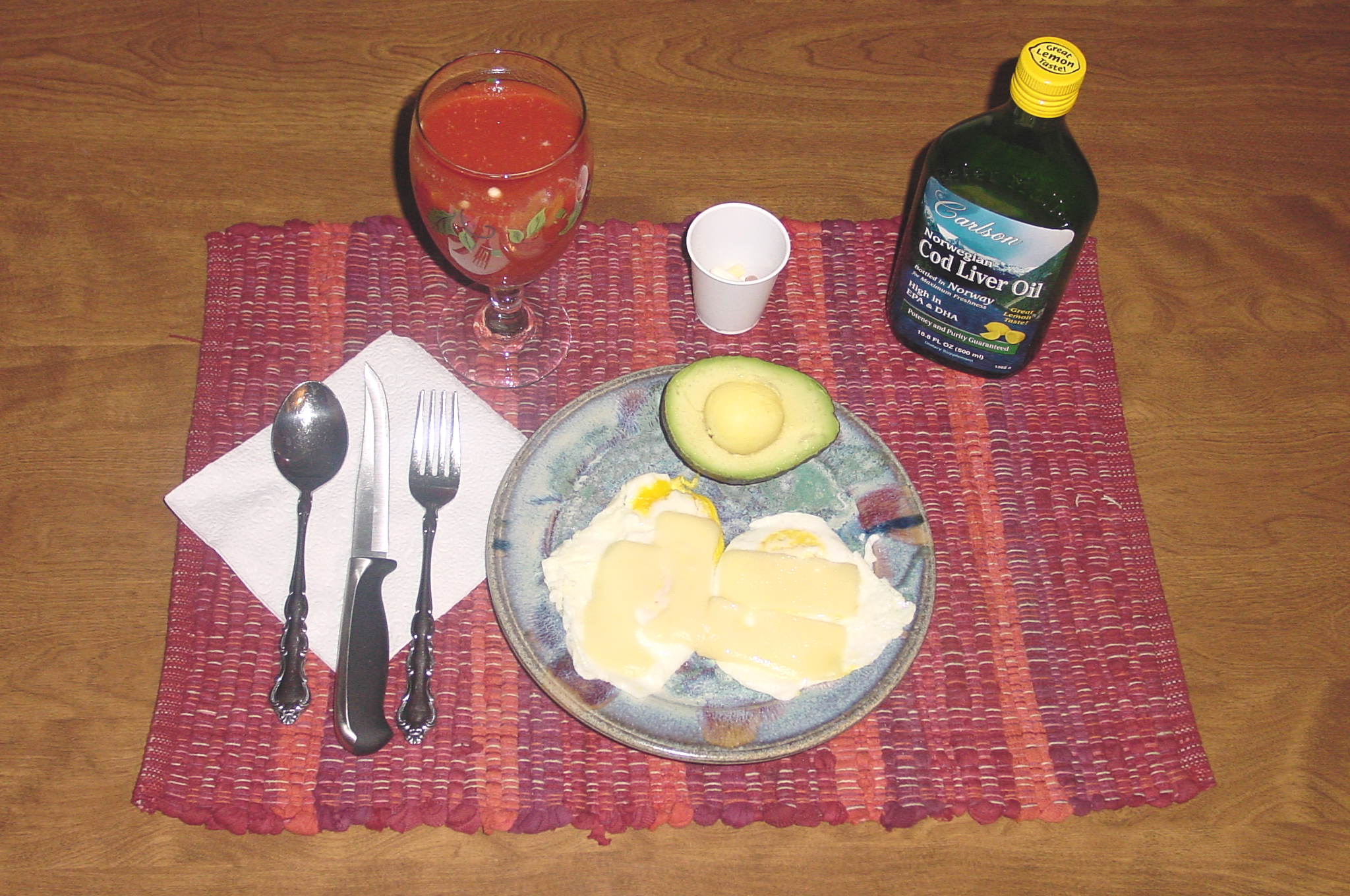
Low-Carb Breakfast Two eggs fried in refined coconut oil topped with Swiss cheese. Half an avocado. Tomato juice with one level teaspoon L-glutamine amino acid, one heaping teaspoon of low-carb whey protein powder and one capful of colloidal minerals. One tablespoon Carlson's lemon-flavored cod liver oil. Vitamins, minerals and supplements. Click picture to enlarge. |
High-Protein, Low-Carb Lunch Left-over baked chicken with stewed combination of eggplant and tomatoes. Reverse osmosis water. Vitamins, minerals and supplements. Click picture to enlarge. |
High-Protein, Low-Carb Dinner 7-bone beef roast cooked in a Crock-pot with diced tomatoes. Reverse osmosis drinking water. Vitamins, minerals and supplements. Click picture to enlarge. |
 |
 |
 |
|
High-Protein, Low-Carb Breakfast 100% ground beef fried in coconut oil topped with Swiss cheese. Add fried mushrooms and boiled asparagus. Reverse osmosis water, potassium chloride salt substitute, vitamins, minerals and supplements. Click picture to enlarge. |
High-Protein,
Low-Carb Lunch Gas-grilled lamb riblets. Shoulder steaks are also very good. Cooked red peppers and tomatoes. Reverse osmosis water, cod liver oil, potassium chloride salt substitute, vitamins, minerals and supplements. Click picture to enlarge. |
High-Protein,
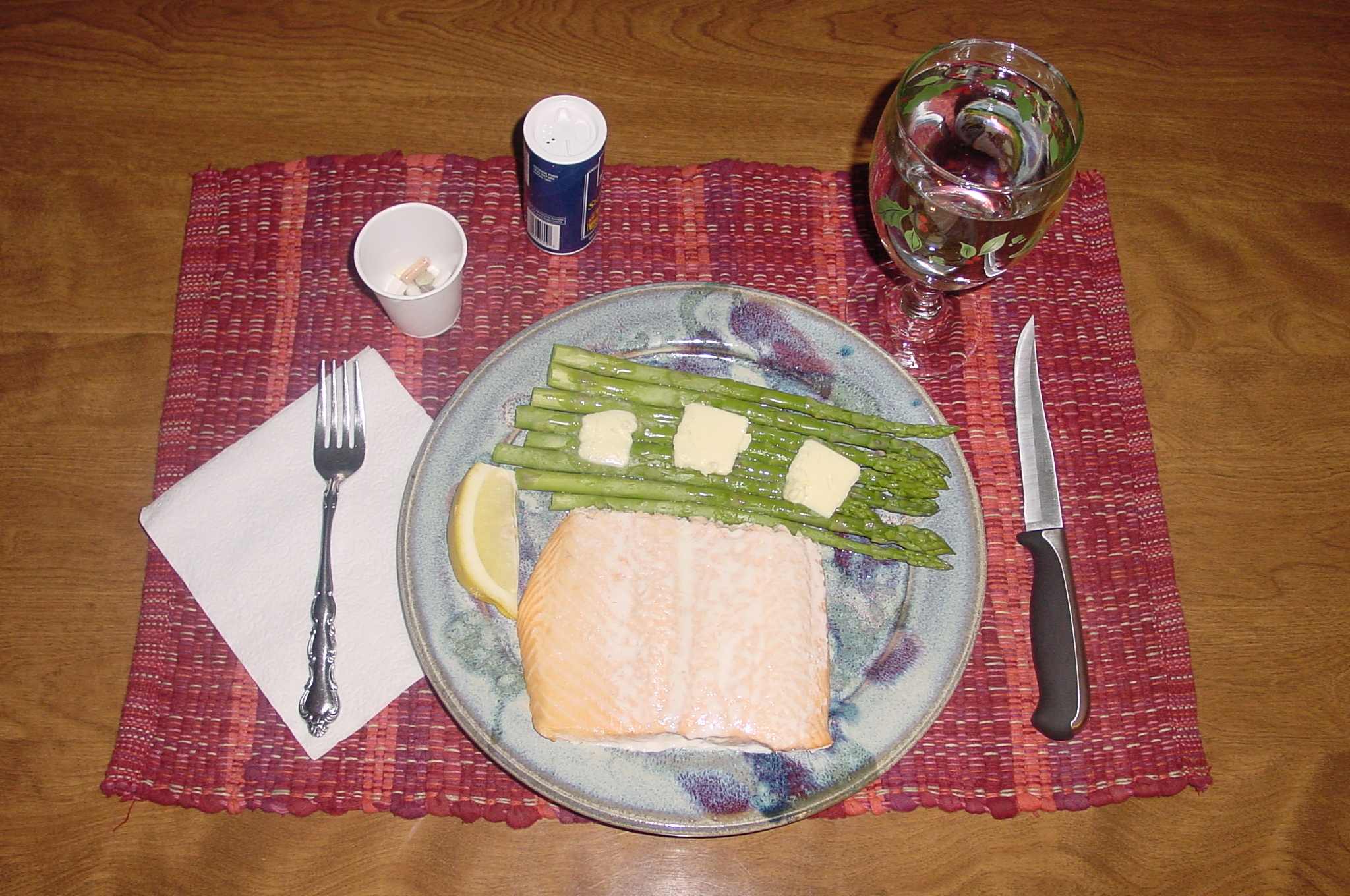
Low-Carb Dinner Baked farm-raised salmon fillet with boiled asparagus. Always enjoy real butter on cooked vegetables. Reverse osmosis water, potassium chloride salt substitute, vitamins, minerals and supplements. Click picture to enlarge. |
Controlling blood glucose levels also depends on other activities. The following are a few suggestions.
Eat a low-carbohydrate diet.
Do not eat carbohydrates, period.
Do not go hungry.
Do not exercise excessively.
Do not nibble on carbohydrates to regulate blood glucose level.
Snack on low-carbohydrate foods with good protein and fats like red meat, fish, fowl, and hard cheeses.
Mix a low-carbohydrate drink, water, or unsweetened tomato juice with one rounded teaspoon of L-Glutamine Powder and one rounded teaspoon of Ultimate Lo Carb Whey Powder to prevent an episode of low blood glucose. Drink with a snack or by itself up to three times a day.
Take glucose to raise the low blood glucose level only in an extreme medical emergency.
Seek emergency medical treatment immediately for blood glucose abnormalities.
Vitamins, Minerals, and Supplements:
Supplementing the diet with additional vitamins, minerals, essential fatty acids, and essential amino acids is an absolute requirement in order to overwhelm the body with optimal nutrition. The following web page will give a full list including links to Internet sources, but buying supplements locally is perfectly acceptable.
My personal vitamin, mineral, and supplement program by Kent R. Rieske.
This list is extensive and could be too expensive for anyone on a restricted budget; therefore, the supplements are listed in order of importance with the most important listed at the top. The supplements should include the following and more if possible.
Multivitamin and Multimineral tablet. Compare to Twinlabs Women's Ultra Daily One Caps
Carlson's Lemon Flavored Cod Liver Oil with EPA and DHA Fatty Acids, Vitamins A and D - Refrigerate. It has a mild taste because of freshness and purity.
Multidophilus - Lactic Flora by Solaray - Link for info only. Buy locally & Refrigerate.
KAL Magnesium Glycinate 400 - See Note 1 on the vitamin page.
Vitamin E, Mixed Tocopherols, Natural Vitamin E - Refrigerate.
Protein and L-Glutamine Drink. Prepare a drink made with whey amino acid protein powder which is enriched with extra glutamine amino acid. The protein powder consists of a full compliment of amino acid isolates that heal the body and require no digestion. Prepare the drink by blending 8 to 16 oz of reverse osmosis with UV lamp water or unsweetened, low-sodium tomato juice with 1 heaping teaspoon (12 gm) of whey protein powder plus 1 rounded teaspoon (8 gm) of glutamine amino acid powder. Stirring vigorously with the teaspoon is sufficient. The whey protein must be specified on the carton as isolates from cross flow microfiltration and ion-exchange, ultrafiltered concentrate, low molecular weight, and partially hydrolyzed whey protein peptides rich in branched chain amino acids and glutamine peptides. The low-carbohydrate type at 1 gm per scoop or less is best, but it should not be more than 4-5 gm of carbohydrates per scoop. Do not substitute protein from soy, egg, casein, or any other source. Sugar or any other sweetener is unacceptable. Use the "natural flavor" without additives. This amino acid drink can be enjoyed anytime with or without a meal. Amino acids are foods that build and maintain the body. Refrigerate whey protein powder and discard if it is old. Whey protein powder can cause some gas and an unusually "full" feeling. Discontinue the whey protein powder if the reactions are unpleasant. Continue to take the glutamine powder.
L-Glutamine Amino Acid.
Ultimate Lo Carb Whey Powder - Natural Flavor by Biochem.
Amino Acids - The Building Blocks of Life and Healing.This combination of amino acids has been shown to provide the following healing properties:
Provides pain killing effects by healing the nervous system.
Absorption of body building amino acids without requiring digestion.
Stimulates insulin like growth factor 1 (IGF-1) which functions similarly to insulin and enhances protein synthesis and healing.
Fights infections by stimulating the immune system. All immune cells are made from poly-peptides of amino acids.
Provides bone growth of protein collagen and strengthens bones. Poor digestion has been shown to cause osteoporosis and degenerative bone disease.
Provides all of the amino acids required to heal and grow ligaments, tendons, joints, muscles, intestinal tract, heart muscle, and all other organs of the body.
Prevents hypoglycemia (low blood sugar) symptoms in people with hypoglycemia or diabetes.
The three most nutritionally important omega-3 fatty acids are alpha-linolenic fatty acid (ALA), eicosapentaenoic acid (EPA), and docosahexaenoic fatty acid (DHA). Alpha-linolenic fatty acid is one of two fatty acids traditionally classified as "essential." The other fatty acid traditionally viewed as essential is an omega-6 fat called linoleic acid. These fatty acids have traditionally been classified as “essential” because the body is unable to manufacture them on its own and because they play a fundamental role in several physiological functions. As a result, we must be sure our diet contains sufficient amounts of both alpha-linolenic acid and linoleic acid.
Ketosis Myths and Facts on the Low-Carbohydrate Diet.
Self-Sabotage and Carbohydrate Addiction
Beware of self-sabotage of your low-carbohydrate diabetes diet program as an excuse to satisfy your carbohydrate addiction. Carbohydrates are highly addictive to the diabetic. The temptation will arise to trigger a low blood glucose emergency as an excuse to eat some carbohydrates in the form of sugar, candy, fruit juice, cookies, etc. Don't go there. Deal with your addiction. Don't give in to it because it will derail your program.
Weight Control and Weight Loss
Weight can be easily controlled on this diet. Overweight or obese people can lose weight easily while controlling their blood glucose level naturally. This diet does not cause low blood glucose episodes as does a low-calorie diet. Those with heart disease concerns can rest assured that the high-fat, low-carbohydrate diet recommended here also prevents heart disease as detailed on the following web page.
Remember that self education is the key to the prevention, treatment, and control of hypoglycemia and diabetes. The biggest problem a diabetic has is sorting out the scientific information from hardened diabetes dogma as found in most diabetes literature, books, and websites that are scientifically wrong. They are written by people or organizations with an agenda or financial bias. The books referenced here are the only ones that can be trusted to present to best advice for people with diabetes. Everyone should buy all three of the following books.
Diabetes Solution - The Complete Guide to Achieving Normal Blood Sugars.
The Diabetes Diet - Dr. Bernstein's Low-Carbohydrate Solution.
Don't expect to obtain the best diet recommendations for diabetes by following the popular consensus. Most diabetics continue to eat a high-carbohydrate diet because it is the popular consensus, but that continues to make their diabetes worse instead of better. Remember, the explosion of information about diabetes emanating from the media, books, literature, and websites has not reduced the diabetes rate. The word is getting out, but the number of diabetics is increasing at an alarming rate because the message is wrong. The current information explosion is turning healthy people into diabetics. The diabetes epidemic is exploding and setting new records each year due to the USDA Food Guide Pyramid that recommendation people eat more fruit and whole grains while avoiding red meat and saturated fats.
Scientific Guidelines for Weight Control and Weight Loss
The standard low-fat diet recommended by the American Diabetes Association and the American Medical Association actually promotes weight gain. Diabetic drugs and insulin shots increase weight gain even more. This is the reason most diabetics cannot lose weight and are most likely to gain more weight on the standard diabetic diet. You cannot exercise the fat away, as all overweight diabetics are well aware. The doctors blame the patient instead of placing the patient on a diet that is scientifically correct for weight loss and natural blood glucose control.
The high-fat, high-protein, low-carbohydrate diet recommended here allows weight loss while maintaining proper blood glucose levels more easily and naturally. The body is placed into a state of burning dietary fat and body fat for energy. This switch is done automatically without affecting the blood glucose level. The blood insulin level remains very low and stable. The diabetic can only loose weight consistently on this high-fat, low-carbohydrate diet. The following scientific nutritional and medical facts are the reason for these awesome results.
Carbohydrates raise the level of blood sugar, forcing the diabetic to take drugs or insulin shots in an effort to bring the blood glucose level back into an acceptable range. The drugs and/or insulin drive the glucose into the cells and convert some of the glucose to body fat. Muscles become more insulin resistant than body fat cells which causes the diabetic to become fat even though he may lack energy. The drugs and/or insulin lowers the level of blood glucose causing the diabetic to become hungry. This leads to a vicious cycle of hunger - high glucose - drugs or insulin - body fat - low glucose - hunger. Get off the carbohydrate - high glucose - weight gain - low glucose - hunger roller-coaster. This vicious cycle could best be described as the "ADA Diabetic Roller Coaster." Absolute Scientific Proof Carbohydrates Are Pathogenic.
Animal fats in the diet provide good energy without the need for insulin. Animal fats in the diet have a neutral blood glucose effect. The glucose tends to drop slightly, if at all, but never increases. Animal fats are very good in the diet of they diabetic because they provide good energy without increasing the insulin or blood glucose level. Butter and coconut oil are also excellent fats for a diabetic to eat. Saturated animal fats are very healthy. Don't believe the lies from the animal-rights activists, vegetarians, and corn oil salesmen. Proof Saturated Fats Are Healthy.
Animal protein in the diet provides the necessary glucose in a self-regulating, natural manner. The liver can convert up to 50% of the protein to glucose as needed, but excess glucose is avoided naturally. Animal protein also provides the full compliment of essential amino acids to build a strong, healthy body. In other words, eat red meat. Carbohydrates are empty calories that are not essential for human health. We become more healthy without carbohydrates. Type 1 diabetics must take a small amount of insulin to lower the glucose, especially in the morning after rising. Amino Acids - The Building Blocks of Life and Healing.
The best diet for a diabetic is 70% fat and 24% protein with a small amount of fiber and carbohydrates that cannot be avoided in the recommended low-carbohydrate, non starchy vegetables.
Control your blood sugar by eating more fat to keep the glucose low and eating more meat, fish, fowl, or seafood to raise the glucose level. Never go hungry. Plan ahead for snacks by eating something that is 70% fat and 24% protein. Eat a snack before exercise to prevent hypoglycemia. Hard cheeses are a natural food that provide this perfect balance. Fatty meat like chicken thighs with the skin are another good example. Fatty cuts of red meat such as ribeye steaks, ribs, or shoulder roasts are another excellent example. Eggs fried in coconut oil or butter is another perfect example. Bacon is OK if labeled "no sugar added" or if the ingredient list does not contain sugar and one is not sensitive to salt.. It is available in Kroger and Safeway brands. Shredded coconut, pine nuts, and macadamia nuts are other good examples for a snack. Fried pork skins are good, but the excessive amount of salt should be rinsed off with water. Never eat straight lean meat. Do not cut away the fat on meat. Eat it all. Dip lean meat in the fat drippings.
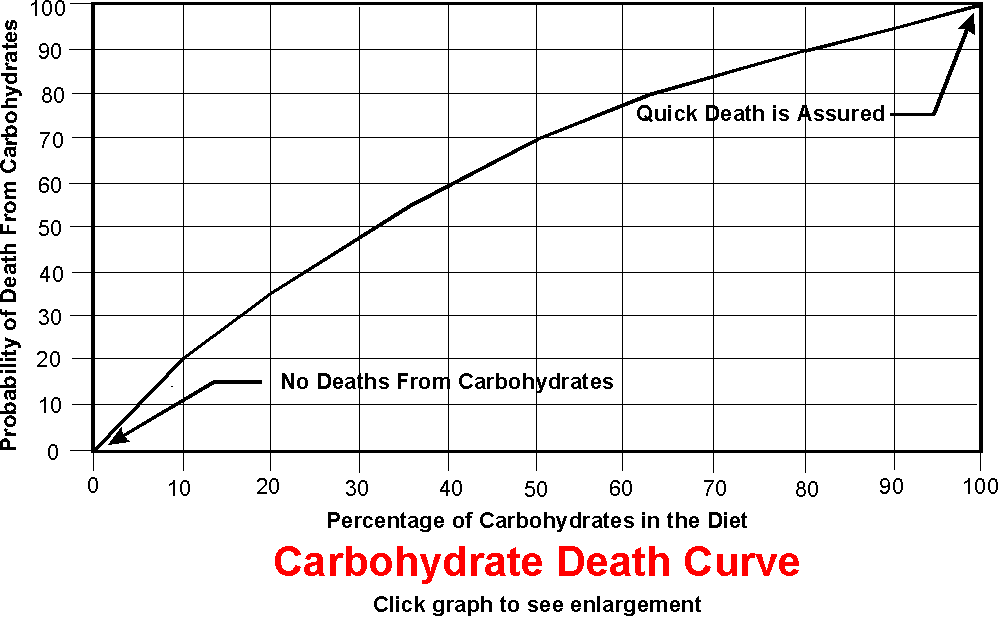
Carbohydrate Death Curve
The long and short-term effects of eating carbohydrates are shown on the graph curve below. Degenerative diseases such as heart disease, stroke, diabetes, cancer, inflammatory bowel diseases, rheumatoid arthritis, multiple sclerosis, lupus, osteoporosis, and many other diseases increase as the percentage of carbohydrates in the diet increases. The long-term effect occurs on the left side of the curve where lower amounts of carbohydrates are eaten. Carbohydrates are not a dietary requirement in the human diet. This scientific physiological truth applies to all humans equally. The detrimental effects of high levels of carbohydrates accumulate over the years, thereby creating the degenerative effect that appears to be age related. Age is only a secondary factor. This is why some older people do not have these diseases. The short-term climax occurs at the far right end of the curve where a diet consisting of 100% carbohydrates will result in a quick and certain death within weeks.
What is Type 1 Diabetes?
"Type 1 diabetes is a disease in which the body cannot fully process the sugar from your diet so that you can use it for energy. The disease results from inadequate production of a hormone called insulin, which is needed to move glucose out of your blood into tissues. The illness previously was called insulin-dependent diabetes mellitus."
"Normally, insulin is released from special cells (beta cells) in the pancreas, an organ that is connected to the intestines and that helps digest food. After insulin enters the blood, it helps muscle cells, liver cells and other tissues to absorb sugar (glucose) from the blood. Cells either use glucose immediately as fuel or (in the case of liver cells) store it for future use."
"In people with type 1 diabetes, the beta cells in the pancreas are destroyed by the body's own immune system. Therefore, the disease is referred to as an "autoimmune" disease. After the beta cells are destroyed, the body no longer can make insulin."
How the Low-Carbohydrate Diet Controls Type 1 Diabetes
Type 1 diabetes always requires insulin injections to control the blood glucose level. The body converts all of the carbohydrates into glucose and can convert a portion of dietary protein into glucose as needed. The liver produces more glucose than desired during the night, resulting in a higher blood glucose level upon arising. The fast during sleep does not reduce blood glucose. Morning insulin injections are typically required to lower the blood glucose level in a person with type 1 diabetes.
Carbohydrates in the diet require more insulin to be injected. The amount of insulin required in the injections is directly proportional to the amount of carbohydrates in the diet. Injecting insulin appears to solve the high blood glucose problem, but it raises other health concerns. Insulin is a hormone that also causes disease. Insulin is the prime cause of heart disease and is the reason why diabetics have a very high level of heart disease.
Absolute Scientific Proof Carbohydrates Are Pathogenic.
The ADA recommends the type 1 diabetic eat a high-carbohydrate diet in which 50 - 60 percent of calories comes from carbohydrates and that they shoot up insulin to control their blood glucose level. This standard practice only makes type 1 diabetes worse, as detailed in Dr. Richard K. Bernstein's book listed below. The ADA states that carbohydrates and glucose are the primary fuel needed to power the body. This statement is scientifically false. The scientific minimum daily requirement of carbohydrates in the diet is zero. Nobody needs to eat carbohydrates -- not healthy people and not diabetics. The body can produce all of the glucose needed from dietary protein with dietary fats as the body's primary source of fuel. Even on a zero-carbohydrate diet, the type 1 diabetic must inject some insulin to keep the blood glucose level normal. Carbohydrates cause wild blood glucose surges that place him on a glucose-insulin roller coaster where he is constantly trying to stabilize his blood glucose.
Dr. Richard K. Bernstein is the world's best authority on the control of type 1 diabetes. He found that the diet recommendations of the American Diabetes Association caused his health to deteriorate alarmingly. He turned to the low-carbohydrate diet with great success as a result of his own study. He went on to get his medical degree and open a practice to treat diabetics. He found that after having type 1 diabetes for more than 50 years his health was better than college classmates who were never diabetic. His low-carbohydrate diet gave him superior health even though he was diabetic. Everyone, whether healthy or diabetic, should buy both of his books listed below to learn the best way to prevent and control diabetes. Dr. Bernstein's recommendations are absolutely awesome.
Diabetes Solution - The Complete Guide to Achieving Normal Blood Sugars.
The Diabetes Diet - Dr. Bernstein's Low-Carbohydrate Solution.
Low-Carbohydrate Diet Facts
This web site will prove the most healthy diet for humans is:
70% total fat on a calorie basis
31% saturated fat
7% polyunsaturated fat
25% monounsaturated fat
7% other fats
27% protein
3% carbohydrates (20 gm of which 3 gm or less is fiber).A healthy low-carbohydrate, high-protein diet program has been shown to prevent cancer, heart disease, diabetes, osteoporosis, and many other diseases. This diet program can be found on the following web page.
Nutrition, Healing, Health, Protein, Fat, Carbohydrate, and Cholesterol Science.
Click here to see the "Foods We Should Eat."
Click here to see the "Foods That Are Absolutely Forbidden."
Most people have been found to be addicted to the very foods that made them sick and continue to prevent their recovery. These people typically refuse to change their nutritional philosophy. Please keep this in mind as you study the diet suggestions presented here and compare them to the foods you eat. Breaking out of your addictions and nutritional beliefs can be extremely difficult.
Top Ten Nutritional Myths, Distortions, and Lies That Will Destroy Your Health.
Top Ten Historical Events That Created Our Current Health and Nutritional Quagmire.
Inflammatory Bowel Diseases, IBD, IBS, Crohn's, Ulcerative Colitis, Candida, and Others.
Preventing Osteoporosis, Bone Loss, Hip Fractures, and Degenerative Disc Disease.
Healthy Foods that the USDA Food Guide Pyramid Shuns
Saturated animal fats are not the cause of cancer or heart disease. Red meat is a wonderful whole food that heals the body and prevents disease. Red meat contains all of the essential nutrients for health. Many different Eskimo tribes lived in perfect health entirely on animal products. One tribe living in the high mountains of Alaska survived in excellent health entirely on Big Horn sheep meat. Others lived entirely on caribou meat. The North American Plains Indians lived almost entirely on buffalo meat. They dried and grounded lean meat to which they added rendered buffalo fat. This mixture was called pemmican. It was a whole food consisting of 70 percent fat. Fresh red meat does not cause cancer. Processed deli meat has been linked to colon cancer; fresh red meat has not. All deli meat contains sugar and bad chemicals. The unhealthy effect is from the additives, not from the red meat.
Hard cheese is one category of products made from cows' milk that is wonderfully healthy. The bacterial process in making hard cheese removes all of the lactose, leaving the healthy fat and protein. Avoid cheese spreads, cottage cheese, yogurt, and cream cheeses.
Proponents of the USDA Food Guide Pyramid treat chicken fat as if it were a poison that would instantly plug the arteries of the heart or give you cancer. This attitude is absolute nonsense. Chicken fat is wonderful food that heals and nourishes the body. The chicken skin is the best part of the bird, especially when baked to a medium crisp consistency. The author of this web page enjoys baked chicken by drinking half a cup of melted chicken fat from the bottom of the baking pan.
All animal, fish, and fowl meats are wonderfully healthy foods when purchased fresh or fresh frozen and unprocessed before cooking at home or by the restaurant. Never buy chickens or turkeys that have been injected with a sugar/salt solution. The fatty cuts of meat are the best and should be chosen over lean cuts. Never eat lean meat without a healthy serving of animal fats. If the cooked meat is naturally lean, it should be eaten by dipping in the melted cooking fat.
Compound in meat prevents diabetes, study suggests
"WEST LAFAYETTE, Ind. -- A common type of fat found in red meats and cheeses may prevent diabetes, according to a research team from Purdue University and The Pennsylvania State University."
Proof Saturated Fats Are Healthy.
Studies Prove Beef Is A Safe And Healthy Food.
Drugs Commonly Prescribed for Type 2 Diabetics
For some unknown reason, some people have a liver that produces too much glucose even when eating a diet that is 100% glucose (carbohydrate) free. The pancreas responds to the glucose produced by the liver by producing insulin which forces the glucose into the cells and/or turns it into body fat. The excess glucose and insulin produced over many years causes the muscle cells of the body to become resistant to the onslaught of glucose. As the resistance builds the insulin converts the excess glucose to triglycerides and stores the fat in the body. People with this liver problem gain weight easily and have a terrible time trying to get it off. They are simply open to weight gain and resistant to weight loss. Eventually they become a Type 2 diabetics.
The excess glucose produced by the liver and excess insulin produced by the pancreas also block body fat from being used for energy even when a person is on the low-carbohydrate diet and eating a calorie-restricted diet. Prescription drugs can aid in breaking insulin resistance by correcting some of the imbalances in the levels of insulin and glucose.
Metformin (Glucophage) is effective in reducing the blood levels of glucose and insulin. Glucophage XR has been more closely associated with weight loss than generic Metformin. Glucophage is generally prescribed by a physician for diabetics, but it can also be taken by people who are not diabetic. It does not reduce the blood glucose level to an extreme (hypoglycemia) in those who are not diabetic even thought they are on the low-carbohydrate diet presented here. It reduces the levels of glucose and insulin to a more normal level. The suggested dose is one 500 mg tablet of Glucophage or Glucophage XR with the dinner meal. Do not increase this amount if the results are satisfactory. Increase the dose to one 500 mg tablet with breakfast and one with dinner if necessary.
"Metformin is an antihyperglycemic agent which improves glucose tolerance in patients with type 2 diabetes, lowering both basal and postprandial plasma glucose. Its pharmacologic mechanisms of action are different from other classes of oral antihyperglycemic agents. Metformin decreases hepatic glucose production, decreases intestinal absorption of glucose, and improves insulin sensitivity by increasing peripheral glucose uptake and utilization. Unlike sulfonylureas, metformin does not produce hypoglycemia in either patients with type 2 diabetes or normal subjects (except in special circumstances, see PRECAUTIONS) and does not cause hyperinsulinemia. With metformin therapy, insulin secretion remains unchanged while fasting insulin levels and day-long plasma insulin response may actually decrease."
Note! Taking Glucophage is not a license to eat more calories or more carbohydrates. That approach will simply negate the positive effects provided by the Glucophage which simply cannot overcome the onslaught of excess carbohydrates in the diet.
People with the experience and training in self-administering drugs can purchase drugs online without a prescription for personal use on the following International websites. The drugs must be approved by the Food and Drug Administration (FDA) in the United States. The FDA does not prevent importation when the drugs appear not to present a serious risk. Previous orders placed with these pharmacies have been completely satisfactory.
LeeHPL Ventures Private Limited, Maharashtra, India - Buy Online Without a Prescription. <--- BEST
Best prices and service. Ask for EMS shipping.
Ask for quotes from several manufactures for evaluation.
Pay with Western Union.InternationalDrugMart.com - Buy Online Without a Prescription.
Medformula - Cyprus - Buy Online Without a Prescription.
Pharmacy Geoff - Hong Kong - Buy Online Without a Prescription.
FDA - Regulatory Procedures Manual March 2008 Chapter 9 Coverage of Personal Importations.
Are Internet Drugs Safe? The manufacturer of a drug that can be purchased over the Internet should be reviewed to insure the quality of the company. Search for the manufacturer's website before placing the order. The drugs received should be packaged in special bubble wrap packages with the manufacturer's name, drug name, and dosage clearly printed. The complexity of the package and the printing indicates authenticity. Receiving tablets or capsules that are packaged loose in a plain bottle or simple box is totally unacceptable. Some of the suppliers above ship high-quality generic and name brand drugs from multibillion dollar international pharmaceutical companies such as Ranbaxy Laboratories (India), GlaxoKlineSmith (United Kingdom), CIPLA, Limited (India), Sun Pharmaceuticals Industries, LTD. (India), Surya Pharma (India), Unichem Laboratories Limited (India), Mega Fine Pharma (India), Ind-Swift Limited (India), Dr. Reddy's Pharmaceutical Company (worldwide), and Stada Arzneimittel AG (Germany). Avoid all drugs made in China.
Are Prescription Drugs Bad for Us? Most people have become extremely resistant to taking prescription drugs until they are faced with the choice between taking a drug or certain death. Most doctors hesitate to prescribe antibiotics based on the false logic that drugs create drug-resistant bacteria. The doctors would rather sacrifice the patient for what they feel is for the higher good of society. Another example is the hesitancy of most doctors to prescribe an antibiotic when the patient is suspected of having common food poisoning. The physicians use the false logic that the patient's immune system is sufficient to make him better in a few days. The doctor may also fail to test for the pathogen which could later be found to be deadly. A common e-Coli bacterial infection can cause permanent liver damage and death. Food poisoning causes 4,000 deaths in the United States every year.
Some prescription drugs have been found to cause death, and many have been pulled off the market by the US-FDA. Other drugs have serious negative side effects, but the bad drugs should not be used as a blanket to label all drugs as unacceptable. Many drugs are awesome. As an example, I ate some raw green pepper for lunch one day which was contaminated with a pathogenic bacteria, resulting in typical food poisoning symptoms. I immediately took one 500 mg tablet of Cipro. Some doctors avoid prescribing Cipro because of negative side effects; however, the food poisoning symptoms soon dissipated, and I ate a full prime rib dinner without any recurrence of the symptoms. Placing a blanket rejection label on all prescription drugs can be dangerously unhealthy.
Are Generic Prescription Drugs Safe? Generic drugs purchased from your local drugstore may not be as safe as Internet drugs even though you purchased them with a doctor's prescription. In some cases you may not know the origin of manufacture. The drugs are handled in bulk rather than safety bubble wrap. They may have come from China where impurities in food, supplements, and drugs are common. They could contain heavy metals, carcinogens, or toxic trace chemicals. Don't assume you are getting the best quality drugs simply because you purchased them with a doctor's prescription from your local pharmacy on your health insurance.
Other drugs including those which increase insulin production are available as listed on the following website.
Diabetes Treatment - http://www.drugs.com/diabetes-treatment.html
Review of The American Diabetes Association Book
American Diabetes Association Complete Guide To Diabetes.
One would expect the American Diabetes Association (ADA) to publish a book that contains all of the scientific facts about the cause, diagnosis, treatment, and control of diabetes. Sadly this is not the case as Dr. Richard K.. Bernstein explains very well in his two books listed above. The ADA makes the following startling and shocking statements that are scientifically wrong.
ADA says that researchers do not fully understand why type 2 diabetes develops. See page 24.
ADA says there is no way to know how to prevent diabetes. See page 26.
ADA says eating too much sugar doesn't cause diabetes. See page 13.
ADA recommends the following foods for meal planning. "Choose most of your foods from the carbohydrates, fruits and vegetables at the base of the pyramid. Carbohydrates include sugars such as sucrose, fructose, and lactose, and large, complex molecules, such as starch." See page 238.
ADA says, "You should decrease saturated fat intake to less than 10 percent of calories and select the rest of your fats from food with mono- and polyunsaturated fats." Polyunsaturated fat sources are listed as corn, cottonseed, sunflower, safflower and soybean oils. See page 247.
ADA says a healthy eating food plan includes "bread, cereal, crackers, rice , pasta, whole grains, deserts, milk, fruit, fruit juices, cookies, and cakes." See pages 258-261.
ADA recommends low-fat varieties in all foods. See pages 258-261.
These statements are the foundation for the advice given to diabetics by the American Diabetes Association, and they are all scientifically wrong. Diabetes is truly a disaster of historic proportions. The present diabetes, heart disease, and cancer epidemics are certain to continue and will get worse because of this horrible advice. Type 2 diabetes is 100% caused by excessive carbohydrates in the diet of which sugar is a major culprit, as proven by scientific studies; yet the ADA recommends a low-fat, high-carbohydrate diet. Activity and weight control do not prevent diabetes as claimed by the ADA. The story about Dr. David above is a common example which proves the ADA claims are wrong. Polyunsaturated fats that are highly recommended by the ADA have been scientifically proven to be highly inflammatory, leading to a whole host of diseases such as heart disease and inflammatory bowel diseases. Do not follow the advice in this book published by the American Diabetes Association.
Blood Testing Information
Affiliate laboratories of HealthCheckUSA will perform any of a large number of health screening tests without a doctor's prescription, and they provide a very detailed report of the results by Internet and/or mail. You can elect to have a physician interpret the results at additional cost or interpret them yourself from information on the report. Other websites as listed below provide information to assist you in understanding your test result. Any test result out of the normal range will be indicated and should be reviewed with greater concern.
HealthCheckUSA will also have a trained professional visit your home to take the necessary samples at additional cost, if desired, and you will receive the report with your results in the mail. All of this can be done without leaving your home.
An appointment and a 12-hour fast are required before the blood is drawn. Simply make the appointment in the morning and hold breakfast until afterward.
HealthCheckUSA has affiliates with nearly 10,000 centers strategically located in all 50 states. Many of these laboratories are used by doctors to conduct health screenings for their patients. Because HealthCheckUSA helps hundred of thousands of health-conscious consumers throughout the USA, we can offer health screenings at some of the most affordable prices in the nation. You simply order your tests online and take the order to your nearest testing center.
HealthCheckUSA.com | Health Screening Tests You Can Obtain Without a Physicians Prescription.
The following are website that give helpful information for interpretation of your results.
Blood Tests and Interpreting Blood Test Results.
The Latest Diabetes News
U.S. Diabetes Rate Doubles in Last 10 Years - CDC - November 1, 2008.
The reason the U.S. diabetes rate has doubled in the last ten years is perfectly understandable. It has been caused by "experts" advising people to avoid red meat and saturated fats in favor of more fruits, vegetables, and whole grains. In other words, the "experts" are advising people to increase glucose intake, the primary cause for diabetes.
"Metabolic syndrome is a condition afflicting one quarter to one third of adult men and women and is an established pre-cursor to diabetes, coronary heart disease, and other serious illnesses. Patients have long been advised to eat a low-fat diet even though carbohydrate restriction has been found to be more effective at reducing specific markers, such as high triglycerides, characteristic of the syndrome. Now, a new study indicates that a diet low in carbohydrates is also more effective than a diet low in fat in reducing saturated fatty acids in the blood and reducing markers of inflammation."
GSK shares slump after diabetes drug is linked to heart attacks - May 22, 2007.
By Stephen Foley in New York"GlaxoSmithKline, Europe's biggest drug-maker, was last night racing to shore up confidence in one of its most important medicines after a study in a respected US journal suggested that it dramatically increased the risks of having a heart attack. The drug in question, Avandia, is taken by millions of Americans and others around the world who suffer from diabetes."
Brits buying more fruit and vegetables - BBC News - January 18, 2007.
"Brits are buying record amounts of fruit and veg - the biggest increase for 20 years - a survey finds.
Household expenditure rose by 12.9% for fruit and 6.3% for veg and fell for confectionary, soft drinks and alcohol.""The government statistics suggest healthy eating messages are getting through to the public, ministers said."
Yikes! Eating more fruit is BAD news -- not good news! The British are overjoyed at the increase in fruit consumption. All English-speaking countries are pushing the same message to "eat more fruit and vegetables." Yes, the message is getting through. Diabetes will get worse based on this new trend. Fruit is simply high-fructose sugar that has been scientifically proven to cause insulin resistance, the major cause for Type 2 diabetes. This extra fruit consumption may be in addition to the present high-carbohydrate diet. The false message to "avoid red meat and saturated fats" has also been accepted by most individuals as well. Now heart disease, cancer, diabetes, osteoporosis, degenerative disc disease, and inflammatory bowel diseases are epidemic. Fruit is an unhealthy food and should be seriously limited in everyone's diet.
Pill that tricks you into losing weight - December 26, 2006.
"An obesity pill which can help women drop two dress sizes in a year has been hailed by scientists after stunning test results."
"A course of one a day could have a dramatic effect on quality of life and cut the risk of heart disease, diabetes and cancer.
Many slimmers find that, after weeks of successfully losing weight, their metabolism slows down and they hit a plateau. With the pounds slower to come off, many lose their resolve and end up piling weight back on.""Excalia gets round this by tricking the hypothalamus - the brain's weight and appetite thermostat - into keeping the metabolism running fast."
Don't expect this new drug to perform as claimed in the news report. Oh yes, the patient may indeed lose weight as claimed, but increasing the metabolism will increase blood glucose and blood insulin levels. These changes promote heart disease, diabetes, and cancer. The news reporters make the mistake of assuming a reduction in weight equates to a reduction in the risks for heart disease, diabetes, and cancer. The drug will most likely cause an increase in insulin resistance that is a dangerous signal of impending incidences of heart disease, diabetes, and cancer. A high metabolism is unhealthy. A low metabolism and ideal weight lead to the most healthy state, and that can only be achieved on a low-carbohydrate diet.
Diabetes becoming 'epidemic of 21st century' - December 4, 2006.
"Scientists meeting at a diabetes conference in Melbourne heard such tribes faced extinction this century unless obesity was tackled. Western diets and sedentary lifestyles are leading to obesity and a rise in Type 2 diabetes in Asia, the Pacific, Australia and the Americas."
Another Complication from Diabetes: Alzheimer's Disease - Time July 17, 2006.
Raised Blood Sugar May Increase Alzheimer's Risk - July 17, 2006.
Study: Type 2 Diabetes Doubles in U.S., Obesity to Blame - June 20, 2006.
"In the group studied during the 1970s, type 2 diabetes was diagnosed in 2 percent of the women and 2.7 percent of the men. In the 1980s group, those figures rose to 3 percent for women and 3.6 percent for men. During the 1990s, the numbers were their highest in 30 years: 3.7 percent for women and 5.8 percent for men in that group."
Low-Fat Diet Does Not Cut Health Risks, Study Finds. February 9, 2006.
This big study costing millions of dollars was a slam against the low-fat diet, but read the above report with caution. Some of the statements made about Dr. Robert C. Atkins are blatant lies. The article states, "Robert Atkins, keeled over weighing 258 lbs." These statements are lies. Dr. Robert C. Atkins was still caring for patients in his medical practice when he suffered a fatal head injury in an accidental fall on an icy sidewalk as he walked to work at age 72. He was healthy and trim at about 195 lbs. at the time of the accident. He never regained consciousness and suffered kidney failure before his death resulting in an excessive accumulation of body fluids. These lies are typical of those propagated by supporters of the low-fat diet dogma.
Dr. Robert C. Atkins Dies From Head Injury After Fall on Icy Walk - April 17, 2003.
U.S. Youngsters' Diabetes, Heart Risks On Rise.
Adult-Onset Diabetes Becomes Epidemic Among Teenagers.
All news about diabetes is not good news. The major media and other self-interest groups are trying to direct people away from the low-carbohydrate diet by falsely claiming that meat is unhealthy. The latest poster directed to children shows a beef burger with a bone and gristle hanging out of the side in a gross and disgusting manner. According to the British Heart Foundation the poster with "gory images of burger rolls filled with bones and gristle are to appear across the UK to shock children into improving their diets and help fight obesity." The children are encouraged to eat a high-carbohydrate diet of whole grains and fruit instead of the healthy low-carbohydrate diet of meat and animal fats. The recommended diet with whole grains and fruit is the foundational cause for the current epidemic in childhood obesity and adult heart disease, cancer, and diabetes. This flawed educational goal of the British Heart Foundation shows the trend toward obesity, heart disease, cancer, and diabetes will get worse, not better.
Gory burger posters target young.
Diabetes fear rises over obesity in adolescents.
Child diabetes time-bomb warning.
The health complications associated with diabetes are:
Cardiovascular disease leading to a 65% death rate among diabetics..
Retinopathy disease of the eye leading to blindness.
Nephropathy kidney disease requiring dialysis and leading to death.
Neuropathy nerve damage leading to amputation of the toes and feet.
Higher risk of developing many different types of cancer.
Higher risk of developing cataracts.
Higher risk of gallbladder disease.
Infectious diseases caused by immune system damage.
Sexual dysfunctions and pregnancy miscarriage.
Blood glucose emergencies that can cause sudden death.
The prevention, cause, treatment, and control of diabetes is scientifically proven. A multitude of people have proven this to be so in real life experiences. You can avoid the debilitating effects of this horrible epidemic. The answer is simple. Don't eat carbohydrates. Read the following page for the complete and detailed dietary guidelines. It is complete with links to scientific studies, and the "Forbidden Foods" are clearly listed.
Nutrition, Healing, Health, Protein, Fat, Carbohydrate, & Cholesterol Science.
Reference Books and Online Support Groups:
Good Calories, Bad Calories by Gary Taubes
This is a must-read book. Gary Taubes is an award-winning scientist who has specialized in exposing misleading, incorrect, or fraudulent science. His seven-year research in every science connected with the impact of nutrition on health shows us that almost everything we believe about the nature of a healthy diet is wrong. For decades we have been taught that fat is bad for us, carbohydrates are better, and that the key to a healthy weight is eating less and exercising more. Yet with more and more people acting on the advice, we have seen unprecedented epidemics of obesity and diabetes.
Taubes argues persuasively that the problem lies in refined carbohydrates (white flour, sugar, easily digested starches) via their dramatic effect on insulin -- the hormone that regulates fat accumulation -- and that the key to good health is the kind of calories we take in, not the number. There are good and bad calories. Taubes traces how the common assumption that carbohydrates are fattening was abandoned in the 1960s when fat and cholesterol were blamed for heart disease and then -- wrongly -- were seen as the causes of a host of other maladies, including cancer. He shows us how these unproven hypotheses were emphatically embraced by authorities in nutrition, public health, and clinical medicine in spite of how well-conceived clinical trials have consistently refuted them. He also documents the dietary trials of carbohydrate restriction which consistently show that the fewer carbohydrates we consume the leaner we will be.
With precise references to the most significant existing clinical studies, he convinces us that there is no compelling scientific evidence demonstrating that saturated fat and cholesterol cause heart disease; that salt causes high blood pressure; and that fiber is a necessary part of a healthy diet. Based on the evidence that does exist, he leads us to conclude that the only healthy way to lose weight and remain lean is to eat fewer carbohydrates or to change the type of carbohydrates we do eat and, for some of us, perhaps to eat virtually none at all.
TNT DIET - Targeted Nutrition Tactics
by Jeff Volek, Ph.D., RD and Adam Campbell, Men's Health Magazine
The explosive new plan to blast fat, build muscle and get healthy.The TNT Diet is a great book for bodybuilders and everyone else who wants to preserve and build lean muscle while controlling body fat. This book is a must read for anyone on the low-carbohydrate diet.
Active Low-Carber Forums - Atkins & low-carbohydrate Diet Support Group
You can talk with others who have bowel diseases or Candida about their experiences. Registration is free but is required before you can post your own message or question. You can click above to visit and read posts by others. Look for the "Candida Yeast & IBS" topic link.
Life Without Bread: How a Low-Carbohydrate Diet Can Save Your Life
Life Without Bread is an important addition to the growing body of literature on the benefits and importance of low-carb diet. Written by Christian Allan, Ph.D., and Wolfgang Lutz, M.D., the book is based on Dr. Lutz's experience using carbohydrate restricted diets with thousands of patients for more than 40 years. It is based on extensive research in the medical and scientific literature and provides ample references. The book presents a unified theory of how high (and even moderate) levels of dietary carbohydrate cause or exacerbate various health problems and how carbohydrate restriction can help people to recover from those problems.
The book Life Without Bread by Christian Allan, Ph.D. and Wolfgang Lutz, M.D. has a chapter on gastrointestinal diseases. Don't be mislead by the title to believe the cure is the simple elimination of bread. Mr. Lutz's older book is out of print but has essentially the same information. It may even contain more detail than his new book above. Fortunately, Chapter VII: Gastro-Intestinal Tract of the older book can be read online.
Dr. Atkins' New Diet Revolution - Revised and Improved
The Atkins' New Diet Revolution is the best book for an initial dietary change and quick weight loss, reduced blood pressure, and reduced cholesterol. Look for the companion book for recipes. It has some very interesting case studies from the doctor's patients. It includes data from past civilizations proving the low-carbohydrate diet is the most healthy.
Robert C. Atkins, M.D. ISBN: 006001203X.Dr. Atkins' Age-Defying Diet Revolution
This is Dr. Atkins newest book. The main topics are the cause, prevention, and cure for diabetes and heart disease which have become major health concerns in the United States and many other developed countries.
Robert C. Atkins, M.D. with Sheila Buff ISBN: 0312251890.Dr. Atkins' Vita-Nutrient Solution: Nature's Answer To Drugs
This is the best book for determining the correct vitamin and mineral dosage for therapeutic (disease curing) effect, excessive dosage amounts, and normal recommendations. Dr. Atkins' Vita-Nutrient Solution discusses the vital function of vitamins and nutritional supplements and then provides a list of diseases and complaints that the supplements can help cure or alleviate.
This book by Dr. Michael and Dr. Mary Dan Eades has an excellent chapter on "Leaky Gut Syndrome" which describes the cause of bowel diseases and autoimmune diseases.
Why Stomach Acid is Good for You
This groundbreaking book unleashes a brilliant new plan for permanently curing heartburn by relieving the root cause of the problem -- low stomach acid. The fact is that heartburn is caused by too little stomach acid -- not too much, as many doctors profess. Book by Jonathan V. Wright and Lane Lenard.
Three Books Are Now Available!
|
|
|
Click
here to review and order!!
The books are more complete than the web pages!!
Join me on Facebook and ADD me as your friend.
To support this website just place 1 or 2 dollars in an envelope and send it to:
Kent R. Rieske
5086 Cottonwood Drive
Boulder, CO 80301 USA
MEDICAL DISCLAIMER: All information is intended for your general knowledge only and is not a substitute for medical advice or treatment for specific medical conditions. You should seek prompt medical care for any specific health issues and consult your physician before starting a new fitness or nutrition regimen. The information contained in this online site and email is presented in summary form only and intended to provide broad consumer understanding and knowledge of dietary supplements. The information should not be considered complete and should not be used in place of a visit, call, consultation or advice of your physician or other health care provider. We do not recommend the self-management of health problems. Information obtained by using our services is not exhaustive and does not cover all diseases, ailments, physical conditions or their treatment. Should you have any health care related questions, please call or see your physician or other health care provider promptly. You should never disregard medical advice or delay in seeking it because of something you have read here. We strongly suggest you select a physician who is knowledgeable and supportive of the low-carbohydrate diet. Many of the physicians listed on this page have health clinics.
Drugs and Doctors May be the Third Leading Cause of Death in U.S.
Why Most Published Research Findings Are False.
Pharmaceutical firms are inventing diseases to sell more drugs.

You may contact the author by clicking the mailbox above.
Copyright © 2005 - 2017 by Kent R. Rieske, B.Sc., and Bible Life Ministries. All Rights Reserved.
Permission is granted to copy this information in whole and without revision providing that full credit is given to the author. This information may not be copied in part and the information may not be included in any material that is offered for sale. You are encouraged to place a link to this article on your website.


 Prophecy
Today for the Body of Christ
Prophecy
Today for the Body of Christ
God's Election & Man's Free Will
Are the Sins of All Mankind Forgiven?
History of the New Testament Scriptures
Ultimate Nutrition Program for Healing & Health
Join me on Facebook and add me as your friend.
Kent R. Rieske, Ministry
Director
5086 Cottonwood Drive
Boulder, CO 80301 USA

Send an Amazon Gift Card to RieskeKR@gmail.com
or send cash or a check to my address above.