Prostate Health
Reversing Benign Prostatic Hyperplasia (BPH)
and Preventing Prostate Cancer
News You Can Use
Click here to read the Medical Disclaimer
UROLIFT is a New Medical Procedure for Benign Prostate Hyperplasia BPH Treatment.
"Now there is an option for patients with BPH called UroLift® System treatment. This minimally invasive system opens up the blocked urethra by lifting or holding enlarged prostate tissue out of the way. There is no cutting, heating or removal of prostate tissue. The goal of treatment with the UroLift System is to relieve symptoms so you can get back to your life and resume your daily activities."
"Prostate Artery Embolization" Procedure Helps Symptoms of BPH.
New Therapeutics to Treat Castrate-Resistant Prostate Cancer
Prostate cancer surgery fails to cut deaths in study
July 18, 2012 - Chicago, TribuneNEW YORK (Reuters Health) - Prostate cancer surgery didn't appear to save lives compared with observation alone in a new study that tracked men for a decade after their diagnosis. However, nearly twice as many men who had surgery reported incontinence and impotence after two years, researchers report in the New England Journal of Medicine.
Prostate
screening has no benefit.
BBC New Health - April 1, 2011.
"Prostate cancer screening does not save lives, according to a 20-year study, published in the British Medical Journal.
Prostate Cancer’s Worst Form Linked to Gene-Influencing Virus.
Bloomberg.com - September 7, 2009.
"A virus has been linked to the most aggressive form of prostate cancer, potentially leading the way to identifying men with the deadliest tumors and pinpointing their treatment."
Highly Effective Drug
Options for Treating
Benign Prostatic Hyperplasia (BPH)
Immune
drug called ipilimumab, shrank prostate tumours.
BBC Health - June 19, 2009.
High Survival Rate from Prostate Cancer with
Ipilimumab.
Drugs.com.
Cannabis Oil Cures BPH and Prostate Cancer
I thought that people purchased "medical marijuana" as a lame excuse to get high on marijuana until I began updating this web page in February, 2014. Some people who were suffering from a painful disease were obtaining medical marijuana to ease pain and calm anxiety, but I quickly realized that cancer patients were using cannabis oil to successfully treat many different types of "incurable" cancers. Others were using cannabis oil to calm and prevent seizures in children and adults. Others used cannabis oil to relieve autoimmune systems for diseases like multiple sclerosis (MS), arthritis, and inflammatory bowel diseases (IBD). Men are using cannabis oil very effectively to treat benign prostate hyperplasia (BPH) and prostate cancer. Some of these testimonies could certainly be frauds by those seeking a profit or fame, but the science behind the treatment is very positive and very dynamic. Laboratory tests have shown that cannabis oil is effective in killing cell of cancer in the breast, prostate, phaeochromocytoma (PCC or tumors of the adrenal gland), lymphoma (blood cancer), leukemia (bone marrow cancer), and melanoma (skin cancer), basal cell skin cancer, and squamous cell skin cancer. The diagnoses of brain, lungs, and pancreatic cancers are generally death sentences. Yet, many people who had these incurable cancers have reported a complete recoveries and permanent cures by treating themselves with cannabis oils with no unpleasant side effects and no suffering from painful treatment of surgery, chemotherapy, and radiation as recommended by professional oncologists. The results are truly miraculous. Marijuana, cannabis oils, and cannabis laced candy or cookies can be legally purchased in Colorado from retail stores without any permit or prescription. To know you can kill cancer cells any place in the body before they develop into tumors and spread is a wonderful feeling.
Canadian Comedian
Alan Park
Cures Stage 4 Metastacised Prostate Cancer with Cannabis Oil
Alan Park had fully metastacised stage-4 prostate cancer that had spread to his hip bones causing terrific pain. His PSA level was 700. His doctor said that surgery, radiation, and chemotherapy were of no avail. He was pronounced terminal. Alan Park had decided to try cannabis oil even before his dreadful diagnosis. After many months of self-treatment he is totally pain-free and living a normal life with a PSA reading of less than 2. Unfortunately, he failed to state in the video how much cannabis oil he had taken and how much he continues to take in a preventive maintenance program. The expected amount as stated by others is one or two grams per day in divided doses starting with one drop (or size of grain of rice) eaten with cheese before bedtime of Sativa CO2 extracted cannabis oil. Expect dizziness during the night for several hours. Increase the dose to twice a day, then three times a day, etc. One gram is about 16 doses. The marijuana "high" will require that a person take time off work and not drive a car or operate machinery.
I also recommend that before bedtime one drop of cannabis oil be rubbed onto the skin close to the prostate gland in the area between the testicles and the anus. A third treatment method could be cannabis oil dissolved in MCT oil and applied internally through the anus with a "turkey baster;" however, the MCT oil may tend to leak out. This application would treat colorectal cancer that could possibly have spread from the prostate. A fourth treatment would be cannabis oil dissolved in MCT oil and delivered internally with a catheter to the bladder to treat any cancer that may have spread. All of these treatments could be done at the same time starting with low doses.
Cannabis oil prevents and cures cancer in several ways:
The cannabinoids differentiate between healthy cells in the body and cancerous cells.
The cannabinoids attack cancer cells by destroying the mitochondria (energy producing structure within each cell.)
The cannabinoids stop the formation of new arteries to the tumor thus depriving it of energy.
The cannabinoids turn down vascular endothelial growth factor (VEGF) that is a signal protein produced by cells that stimulates vasculogenesis and angiogenesis. It is part of the system that restores the oxygen supply to tissues when blood circulation is inadequate. Cannabinoids stop or reduce the oxygen supply to tumor. The tumor shrinks instead of growing.
The cannabinoids stop the cancer cells from metastasizing (spreading through the body.) This is extremely important because many cancers could not cause death unless the cancer is spread to other primary organs of the body, such as brain, lungs, liver, pancreas, etc.
The cannabinoids protect healthy nerves and the brain.
The cannabinoids promote the formation of new nerves.
Cannabinoids Chart Showing Medical Therapeutic Responses
The United States government knew as early as 1974 that cannabis oil cured many diseases including cancer. Cannabis oil is an all natural vegetable product that cannot be patented as a drug by "Big Pharma." The U.S. Food and Drug Administration (FDA) and the Federal Bureau of Narcotics (FBN), under pressure from "Big Pharma," placed marijuana and cannabis oil under the most strict classification as an illegal, dangerous, narcotic drug. The U.S. Comprehensive Drug Abuse Prevention and Control Act of 1970 classified marijuana as a "Schedule 1 Drug," rating marijuana as one of the most dangerous illegal drugs. The classification was a fraud from the beginning because marijuana and cannabis oil have never caused the death of anyone from an overdose, are not physically addictive, and are only mildly psychologically addictive. "Big Pharma" with their outrageously expensive chemotherapy and radiation has kept cannabis oil lock in a box for the last 40 years; but I have good news. Last year the box was cracked when states began approving marijuana and cannabis oil for direct retail sales or under a medical marijuana prescription issued by a licensed physician. Cannabis oil is out of the box and available to heal cancer and many other diseases.
You
Don't Have to go Home and Die.
Cannabis Oil Is An Effective Cancer Treatment.
The cancer patient can easily perform cannabis oil therapy because it is noninvasive, taken orally, has very low side effects, and is not life-threatening. Oncologists generally will not offer any support whatsoever for patients who want to try cannabis oil therapy, but the doctor can be useful in obtaining professional medical examinations, laboratory tests, and scans.
Cannabis sativa, cannabis indica, and cannabis ruderalis are three different plants in the cannabis family, and many sub-strains exist. The cannabis oil is obtained from the flower (bud) of the cannabis plant through a distillation process and is often called hash oil or hemp-oil. Hempseed oil obtained from the seeds should be avoided because it has no health benefits. These are two different oils. The primary psychoactive constituent or pharmaceutical of cannabis oil is tetrahydrocannabinol (THC), along with about sixty other minor cannabinoids. The secondary important chemical in cannabis oil is cannabidiol (CBD), which is not psychoactive but has recently been shown to block the affect of THC in the nervous system. CBD is believed to be more important as a medical therapy than THC. The third cannabinol (CBN) is believe to have some immunosuppressant medical properties. Some references suggest that the cannabis oil taken orally to treat cancer should be very high in THC with some CBD. THC is the compound that some scientists claim attacks cancer cells without harming normal body cells. The therapy goal should be to take a cannabis oil that has THC, CBD, and CBN because solid scientific test data is not conclusive. A typical laboratory test result could be THC = 30%, CBD = 3%, and CBN = 1%.
The cannabis oil must be laboratory tested to insure the product is high in THC and CBD and not just an expensive fraud. California has been leading the nation in this research after passing their medical marijuana law. C W Labs in Oakland, CA, has been mentioned as an experienced laboratory that certifies the quality of the cannabis oil. The product can be purchase in California through a dispensary with a doctor's prescription. Several other states have also legalized medical marijuana. Colorado and Washington have legalized marijuana for smoking, medical remedies, or any other purpose. The oil can be purchase directly by the individual without a medical prescription.
Cannabis Oil Is God's Miracle, All Natural Pharmaceutical
Wikipedia online redirects searches for cannabis oil to hash oil, another common name. They present good information on this page:
Hash Oil (Cannabis Oil) by Wikipedia
"Testing labs such as "SC Labs" in Santa Cruz California, "Steephill Labs" in Berkeley California and "GreenStyle Consulting Solutions" test cannabis products and regularly report oil potencies ranging from 30-90%, with levels of dispensary quality oil typically ranging from 60-85, occasionally higher and occasionally lower. Some extracts have supposedly been tested to over 99% THC but involve a multiple stage chemical process."
Cannabidiol (CBD) by Wikipedia
Cannabidiol (CBD) is one of at least 60 active cannabinoids identified in cannabis. It is a major constituent of the plant, accounting for up to 40% of the plant's extract, as a non-psychotropic phytocannabinoid. CBD is considered to have a wider scope of medical applications than tetrahydrocannabinol (THC).
The following video gives a general overview of how cannabis affects health.
The following are links to web pages for information and additional videos.
Cannabinoids May Inhibit Prostate Cancer Cell Growth
The Cannabis Cure:
Links and Video Documenting the Benefits of Medical Cannabis UseCannabis Cures Cancer and More:
A Thorough History and Review of the EvidenceList of the Medical Use of Cannabis Oil (Marijuana)
Cannabis oil cured my colorectal cancer and lung cancer - NORML UK
Newfoundland man says cannabis oil is beating his prostate cancer | Patients for Medical Cannabis
Cancer Cure – Cannabis & Cannabinoids ~ Robert Melamede, PhD
Cannabis plant extract 'could stop aggressive cancers from spreading'
"About a year ago I was diagnosed with aggressive (Gleason 8 scores), metastatic adenocarcinoma. I took cannabinoid extract for six months; and had no chemotherapy or radiation. A recent biopsy showed no cancer remaining. This is amazing. I continue to take a maintenance dose of cannabinoid oil extract to heal the rest of this beat up body. At 74 it’s great to have life renewal."
Cannabis Oil Kills Antibiotic-Resistant MRSA Bacteria
Marijuana Extracts Kill Antibiotic-Resistant MRSA
Treatment Guidelines from Personal Testimonies
A person is totally responsible for his own cannabis oil medical therapy. The references and videos above present experiences and testimonies that are not endorsed by any professional or governmental health organization. The following is a list of concerns and comments people have given about their own self-therapy.
Obtain cannabis oil that was distilled and refined from the blossoms that are high in THC and CBD. This may require purchasing an oil that is a blend from two or more strains of the cannabis plant. Avidekel is a cannabis strain that contains 15.8% CBD and less than 1% THC. This could be mixed with other strains that are high in THC such as Cannabis sativa. The blend is recommended because the medical science of cannabis oil is in a very fluid state (dynamic research). When no laboratory certification is available, the best choice may be C02 refined cannabis indica because it contains all of the cannabinoids. Do not take cannabis sativa for treating cancer.
The oil should be obtained by extraction. The supercritical C02 extract and its process have many benefits over the traditional distillation processes, the C02 supercritical extraction process eliminates the need for potentially harmful solvents like hexane or butane that are often used in the manufacture of absolute oils, thus avoiding unnecessary environmental pollution and potential human bodily harm.
The cannabis oil certified by a testing laboratory is preferred.
The cannabis oil should be obtained and used in a legal manner. The oil can be obtained in the states of Colorado and Washington, but taking the oil across a state line may be a violation of the law in the adjacent states.
Small batches of cannabis oil can be made at home according to this video by Dr. T. H. Hunt, DNM.
How to Make a Small Batch of Rick Simpson Oil (Cannabis Oil).The cannabis oil is taken orally. People who have claimed that cannabis oil cured their cancers have stated that one drop (size of one grain of rice) is taken daily in the mouth just before bedtime. It can have the side effect of sleepiness and dizziness.
The amount of cannabis oil taken is increased slowly to a maximum of 1 gram daily in small one-drop doses in which approximately 16 drops equals one gram, and 28.35 grams equals one ounce, or about 456 drops per ounce. The drops are taken evenly throughout the day if a doctor has detected the tumor and given his diagnosis that it is cancerous.
Rick Simpson, a popular Canadian who is famous for making and promoting cannabis oil in the late 1990s and 2000s, claims that serious cases of lung or bowel cancers require the consumption of 60 grams of cannabis oil within three months to promote healing. The amount is more if the patient has taken chemotherapy and had radiation treatments.
Dosage Information: How to Take Cannabis Oil
The following are similar treatments that are not recommended.
Smoking marijuana is not the recommended treatment.
Marinol, a synthetic THC medication, is not the recommended treatment.
Cannabis Rising: The Key In The Lock. Your Health Your Future
Two Hour Compilation of Many Videos
Home Remedies for Cannabis Oil Cures
External or Topical Cannabis Oil Therapy
Cannabis oil molecules are readily absorbed into the blood stream when taken orally and circulate throughout the body to the cancer sites. Cannabis oil has also been used externally to successfully cure skin cancer, but the treatments do not end there. Cannabis oil added to medium chain triglycerides (MCT oil) allows accurate dilution and a method for transmission and application. MCT oil is fully saturated naturally, meaning the molecules do not have any extra or empty electron spaces. For this reason, the MCT oil is highly inert and does not react with the cannabinoid molecules. Medium chain triglycerides are very healthy for human consumption or when used as in external application. The body readily accepts and absorbs MCT oils through the skin or orally. Patients who have a serious digestive disorder that prevents them from eating regular foods are commonly fed MCT oil because the molecules are absorbed with being broken down during digestion and it provides the much needed calories for the starving patient.
Eight drops of cannabis oil are mixed into one ounces (1/8 cup or 30 cc) of MCT oil to be used as a topically applied skin treatment. Use two drops of cannabis oil in 1/4 ounce of MCT oil for small batches. Use a small container like an empty cosmetic jar that is about 2-1/4" diameter x 2" high (57mm diameter x 50mm). Fill 3/4 full for one ounce. The jar containing the MCT oil can be heated in a pan of hot water to dissolve the cannabis oil. Simply apply the mixture to the skin with a finger. It does not require refrigeration because MCT oil does not become rancid. This preparation could also be used for colorectal cancer as an enema treatment. The infusion of MCT oil into the bladder for a bladder cancer treatment by using a catheter should be considered but the process is undocumented. Some people claim to have used concentrated cannabis oil full strength to cure basal cell carcinoma and deadly melanoma skin cancers but the process appears to be too harsh. One should proceed with a great deal of caution.
|
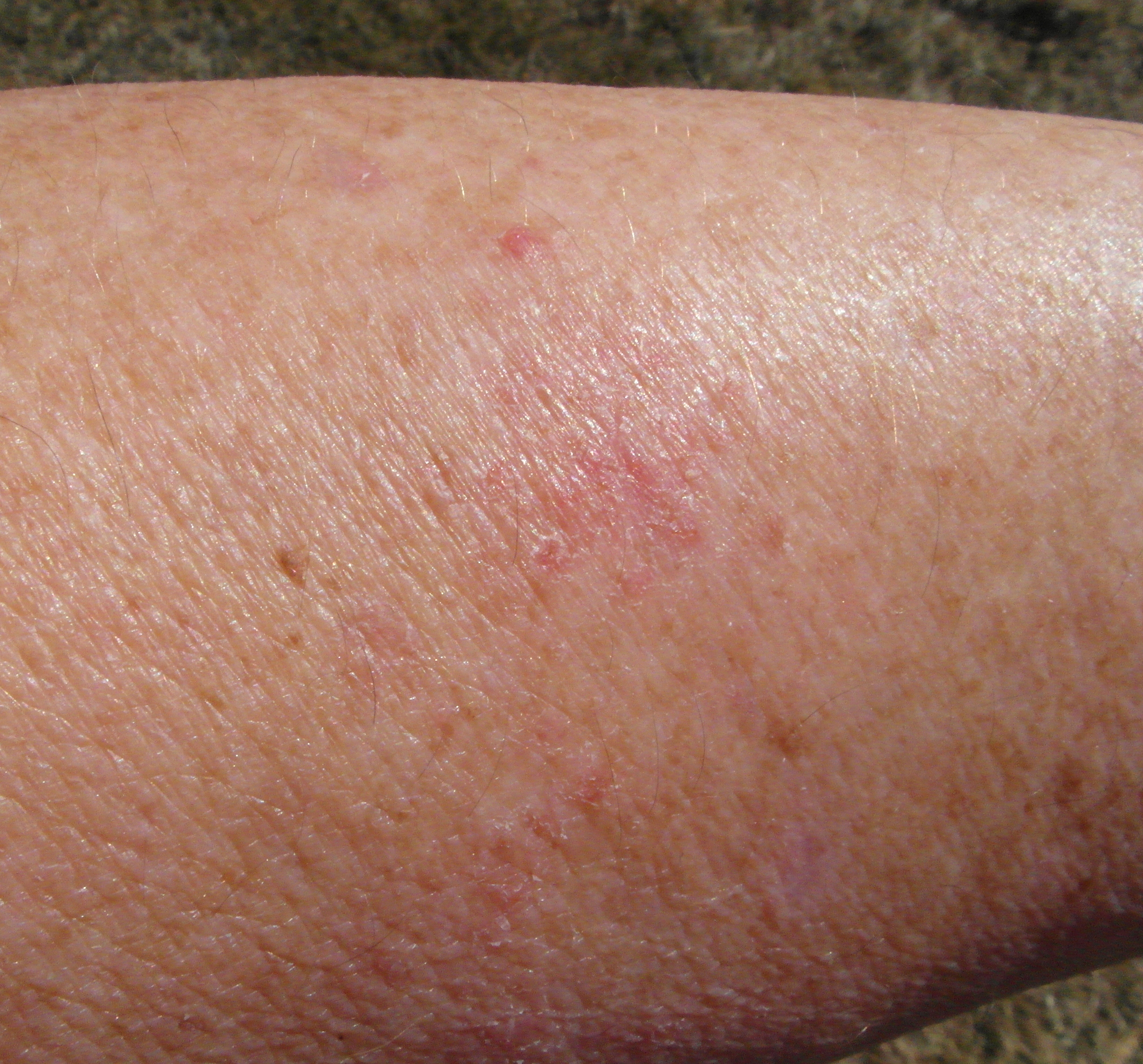
Arm Before Cannabis Oil Treatment I decided to take this picture
after two days of treatment with cannabis oil because the center area with
red inflammation was healing quickly. The infection appeared with many
small blisters after a bruise had healed. I tried to clear it with local triple antibiotic cream, three oral
antibiotics for five days,
corticosteroid cream, and
sodium bicarbonate; but these treatments did not worked. Healing with
cannabis oil was quick and steady. |
Arm After Cannabis Oil Treatment Cannabis oil has healed my arm. |
Personal Testimony
I purchased one gram of C02 refined cannabis indica oil because it contains all of the cannabinoids. I immediately noticed the cramping or tight feeling in the prostate had disappeared, frequent nigh-time urination returned to the normal with only once a night urination, and the occasional sharp pains I felt since I was a teenager did not occur. I began this test because cannabis oils, leaf marijuana, and other cannabis products became legal for retail purchase in Colorado on January 1, 2014.
My plan is to kill all of the cancer cells in my prostate and throughout my body as a preventative measure to prevent cancer tumors. Statistics has clearly confirmed that men of age 70 years have a 70% chance of having slow growing cancer cells, and men age 80 years have an 80% chance of having prostate cancer, etc. This cannabis oil cancer treatment was undertaken instead of opting for an invasive core needle biopsy because a core biopsy has been shown to spread prostate cancer and make the situation worse. The size of the swollen prostate from benign prostate hyperplasia (BPH) has been reduces.
The MCT and cannabis oil treatment caused a small wart to turn black within a few days and fall off. The healthy skin surrounding the wart was completely unaffected.
Religious Aspects of Taking Cannabis Oil
The United States Food and Drug Administration (FDA) and the Federal Bureau of Narcotics (FBN), received massive pressure from the big pharmaceutical companies in the 1930s to place cannabis on the illegal narcotics list. The drug companies want cannabis banned because it is a miracle healing herb that anyone can grow in their garden and easily distill the awesome cannabis oil from the blossom. Scientists have proven that cannabis is not a dangerous drug. No one has ever died from taking an overdose of cannabis. Cannabis is not addictive. The pharmaceutical companies were working hard to develop chemotherapy drugs and insisted that cannabis be demonized. Our elected officials took the bribe money and banned cannabis in 1937.
The Bible addresses herbs like cannabis in Genesis:
Genesis 1:12 And the earth brought forth grass, [and] herb yielding seed after his kind, and the tree yielding fruit, whose seed [was] in itself, after his kind: and God saw that [it was] good.
Genesis 1:30 And to every beast of the earth, and to every fowl of the air, and to every thing that creepeth upon the earth, wherein [there is] life, [I have given] every green herb for meat: and it was so.
Genesis 9:3 Every moving thing that liveth shall be meat for you; even as the green herb have I given you all things.
Prostate
Cancer Cure Using
Transurethral Prostate Hyperthermia
Clinics in Germany are using Transurethral Prostate Hyperthermia to cure prostate cancer. Search the internet for more information and visit the following web site:
St. George Hospital - Bad Aibling, Germany
Klinik St. Georg
Fréderika Montpetit
Rosenheimer Str. 6-8
D-83043 Bad Aibling
GermanyEmail: frederika@cancerclinicstgeorg.com
Phone: +49-8061-398-108
Fax: +49-89-58979671
Common Prostate, Kidney, and Heart Connection
Physicians (urologists) who specialize in treating common prostate problems in men rarely understand the connection between the prostate, kidneys, and cardiovascular problems, and heart doctors (cardiologists) rarely consider the connection between high blood pressure and the kidneys. To make matters even worse, one of the basic root causes goes totally undiagnosed.
Let us start with the kidneys which are a key organ in the control of body fluids, blood sodium level, blood pressure, and night-time urination. The kidneys often malfunction by not controlling the production of the hormone renin properly. Renin fluctuation is the cause for frequent night-time urination. Even though renin is the common culprit associated with many health problems, we have still not identified the root cause for improper control of renin by the kidneys. Cardiologists may try to control high blood pressure by the administration of a renin-blocking drug, but this action still does not address the reason for the high level of renin produced by kidneys. We will attack common prostate and kidney problems on the following fronts:
Fungus infections of the prostate, kidneys, and urinary tract.
Bacterial infections of the prostate, kidneys, and urinary tract.
Testosterone hormone conversion to dihydrotestosterone in the prostate.
Calcium deposits in the prostate and kidneys.
The following are the general guidelines for the attack against prostate, kidney, and cardiovascular problems which are associated with each other.
Fungus will be attacked by taking the drug Diflucan, an antifungal medicine.
Bacteria will be attacked by taking the antibiotic drugs Cipro and Doxycycline.
Dihydrotestosterone will be blocked by taking the drug Avodart.
Calcium deposits will be attacked by taking LipoPhos EDTA, an oral chelation product.
Step No. 1 - Highly Effective Drug for Treating Fungal Infections Throughout the Body.
Physicians generally give very little attention to fungus infections in the body. They will often treat a fungus infection under the toenails as an isolated condition. They only know about this infection because the patient complains about the black color of the nail. Nobody can see inside of the kidneys or prostate for a fungus diagnosis, and the immune system gives no hint at all. In fact, the body reacts in a very sluggish fashion in the quiet fight against systemic fungal infections.
The recommended dose is 150 mg of Diflucan per day for five days. This treatment should be repeated after completion of the antibacterial treatment. It should also be done on an annual basis. The drug can be purchased online without a prescription as detailed in Step No. 3 below.
GlobalRPh.com Anti Fungal, Anti-herpetic, Herpes Simplex & Anti-viral agents
Step No. 2 - Highly Effective Drug for Treating Urinary and Prostate Bacterial Infection.
Prostatitis: Inflammation of the prostate gland, a very common health concern accounting for up to 25% of all medical office visits by young and middle-age men for problems relating to the genital and urinary systems. One common symptom a bacterial infection of the prostate (prostatitis) is an occasional sharp pain that is easily felt as originating in the prostate. Chronic prostatitis usually causes repeated urinary tract and bladder infections, especially when the prostate is disturbed by a digital rectal examination or catheter insertion. Prostatitis is rather difficult to cure because the structure and reduced blood flow to the gland. The drug of choice for prostatitis is Bactrin DS taken twice a day for 1 to 3 months.
GlobalRPH.xom Drug Treatments for Prostatitis
Urinary infections can be more easily cured when prostatitis is not suspected. Ciprofloxacin and norfloxacin have been reported to cause damage to the tendons, so a high dose over a long period of time should be avoided. One can take 500 mg of Ciprofloxacin twice a day for five days followed by 100 mg twice a day of Doxycycline for 30 days. As an alternate to Doxycycline one might try Keflex 500 mg three times a day for 30 days.
Other options for acute infections are Floxin (Ofloxacin) 300 mg twice a day for six weeks or Noroxin (Norfloxacin) 400 mg once a day for four weeks, but the norfloxacin can cause tendon problems. Always follow the instructions and restrictions give by the drug manufacturer. See your doctor and the following web page for dosage recommendations.
Treatment with Monodox (Doxycycline) Capsules
Treatment with Cipro (Ciprofloxacin Hydrochloride) Tablets
Treatment with Floxin (Ofloxacin) Tablets
Step No. 3 - Highly Effective Drug Options for Treating Benign Prostatic Hyperplasia (BPH).
Your urologist may insist on performing several highly invasive and risky tests before offering a prescription drug to treat an enlarged prostate. These tests include a cystoscopy and core needle biopsies. These procedures are high risk and the benefits are questionable.
Cystoscopy - The urologist uses a large (16 Fr. diameter) scope which is pushed through the urethra past the area of the prostate into the bladder. An anesthetic must be used because the scope stretches the urethra significantly. This stretching can cause abrasions and/or tears which usually become infected. Taking an antibiotic after this procedure is standard practice because the procedure causes an infection of the urethra, prostate, bladder, and kidneys. The cystoscopy can damage the valve at the outlet of the bladder. The cystoscopy procedure will most likely make urination worse since the abrasions, stretching, and tearing begin to form scar tissues. The benefits from this inspection are highly questionable, and negative side effects are most probable.
Core Needle Biopsy - Large hollow needles are pushed into the body of the prostate to extract a core of prostate cells for laboratory microscopic inspection. This is done in an effort to detect cancer. This invasive technique has many serious negative side effects. The prostate will most likely become infected. Therefore, an antibiotic treatment must be given. The procedure will cause serious bleeding. The procedure actually spreads the cancers, if present, as proven in studies referenced below. The core needle biopsy will not prevent your death by the early detection of cancer as falsely claimed by your urologist. It will actually increase your risk of cancer by 50% as proven in the studies below. The core needle biopsy can easily miss cancer cells even though prostate cancer is present. Only a small fraction of the prostate tissue is extracted. False negative tests are very common. The positive detection of "pussycat" non-fatal cancer cells throws terror into the heart of the patient, opening the door to extensive surgeries and misery. Remember, the death rate from prostate cancer of patients who accept full urologist intervention is the same as for those males who never see a doctor. Urologists have not reduced the death rate from prostate cancer, but they certainly have increased the misery with their burning and slashing butchery of the prostate area.
The urologist makes a lot of money performing these dangerous and questionable procedures. The doctor may refuse to write a drug prescription if you do not agree to have these procedures. This is medical blackmail and serious medical malpractice, but it happens frequently. Don't fall for the urologist's blackmail threats. Your urologist falsely believes that you cannot obtain a drug to treat your BPH without his prescription. He will withhold the prescription as leverage to force you into dangerous, costly, and questionable procedures while milking your insurance company as long as possible. You can obtain the best drugs yourself without the doctor's prescription as shown below. Naturally, you must accept the responsibility for self-medicating by performing a complete study of the official FDA information on the references below as it pertains to you.
Click here to read the Medical Disclaimer
Avodart - Avodart is an awesome drug that reduces the size of the prostate naturally. It was developed by the GlaxoSmithKline, PLC pharmaceutical company. Avodart is also called Dutasteride. Urologists commonly use the lame excuse that they cannot give you a prescription for Avodart until cancer has been ruled out. This is the urologist's excuse to pile on many expensive and dangerous procedures. It is true that Avodart has not been approved by the FDA for the treatment of prostate cancer. It is also true that prostate cancer can increase the size of the prostate, but Avodart can certainly be taken by a male with prostate cancer. In fact, 70% of males 70-years old have prostate cancer. Denying them a positive, low-risk drug treatment for BPH is ridiculous. Avodart is likely to restrain the grown of cancer because it prevents the formation of dihydrotestosterone which promotes cancer growth. Therefore, Avodart should be taken by every male with an enlarged prostate whether he has cancer or not. Avodart has not been approved by the FDA for cancer treatment, but this does not prevent it from being effective in slowing the progression of the disease. Remember, the slow-growing type of prostate cancer (pussycat) is not fatal. Men will die of something else first. Also, the fast-growing form of prostate cancer (tiger) is generally fatal within 18 months, but it only occurs in 1 out of 400 men who have been diagnosed with prostate cancer. This is the reason some prostate cancer experts recommend that males 75 years of age or older should not even be tested for prostate cancer.
Dutasteride (Avodart) prostate drug may work as a cancer preventative.
"Men at an above-normal risk of prostate cancer may be able to reduce their risk of developing the disease by taking a drug already on the market."
Begin taking Avodart as soon as possible and continue taking it while completing Steps No. 1 and 2 above and Step No. 4 below.
Avodart may be a much better cancer test than the PSA test, even though Avodart has not been approved by the FDA as a prostate cancer test. Avodart is very effective at shrinking the benign enlarged prostate. It is less likely to shrink a prostate that has cancer. Therefore, cancer should be suspected if the prostate fails to shrink within three months on the Avodart treatment. If the prostate shrinks in good order as expected, the enlargement is more likely to be benign.
Avodart can make a major drop in the results of a PSA test. In only one year on Avodart therapy the PSA reading dropped from 12 to 4.2. The normal range being 0 to 4.0. This drop also shows that the elevated PSA was NOT caused by cancer because Avodart does not cure cancer.
Avodart may also reduce the tendency for fluid accumulation in the feet and ankles, although the drug has not been approved by the FDA for this treatment. Avodart will also reduce and prevent male-pattern baldness, although it has not been approved for this treatment either. Proscar has been approved by the FDA as an effective treatment for male-pattern baldness. Therefore, Avodart should be even better.
Avodart Official FDA information, side effects, and uses - www.drugs.com
"Dutasteride inhibits the conversion of testosterone to 5α-dihydrotestosterone (DHT). DHT is the androgen primarily responsible for the initial development and subsequent enlargement of the prostate gland. Testosterone is converted to DHT by the enzyme 5α-reductase, which exists as 2 isoforms, type 1 and type 2. The type 2 isoenzyme is primarily active in the reproductive tissues, while the type 1 isoenzyme is also responsible for testosterone conversion in the skin and liver.
Dutasteride is a competitive and specific inhibitor of both type 1 and type 2 5α-reductase isoenzymes, with which it forms a stable enzyme complex. Dissociation from this complex has been evaluated under in vitro and in vivo conditions and is extremely slow. Dutasteride does not bind to the human androgen receptor."
Dutasteride in the treatment of hormone refractory prostate cancer.
"Conclusion: The activity of 5-alfa-reductase types 1 and 2 is expressed in the epithelial cells of the prostate, the stroma, and the prostate tumor. The genetic expression of fatty acid synthesis is influenced by dutasteride, which inhibits it by blocking the pathway that regulates sterol protein binding which, in turn, regulates androgen stimulation. The addition of a dual inhibitor of 5-a-reductase types 1 and 2 to antiandrogen therapy may further inhibit tumor growth, thus reducing the concentration of intracellular dihydrotestosterone, which is the primary androgen mediator of PSA gene expression in prostate tumor cell lines. These data support the rationale for the use of dutasteride in the treatment of hormone refractory prostate cancer. The study findings show that dutasteride is useful in the treatment of hormone refractory prostate cancer."
"Is Dutasteride safe?
Clinical trials of Dutasteride showed that it was generally well tolerated. Most side effects were mild or moderate and generally went away while on treatment in both the Dutasteride and placebo groups.
Drug-related side effects during the first six months were as follows:
Impotence (4.7 percent vs. 1.7 percent for placebo)
Decreased libido (3 percent vs. 1.4 percent),
Breast tenderness and breast enlargement (gynecomastia; 0.5 percent vs. 0.2 percent)
Ejaculation disorders (1.4 percent vs. 0.5 percent)"
Negative Side Effects:
Avodart causes a drastic decrease in semen production that will most likely lead to the inability of the man to father a baby. These side effect are permanent and do not reverse when Avodart is discontinued. However, these conditions may be less important to older men who are the sufferers of an enlarge prostate. It does not cause erectile dysfunction.
|
Avodart
is awesome. It really works. |
Flomax is a very helpful drug that relaxes the urethra. The generic name for Flomax is Tamsulosin HCL. Flomax was developed by Boehringer Ingelheim Pharmaceuticals, Inc.
Flomax Official FDA information, side effects, and uses - www.drugs.com
"Flomax is in a group of drugs called alpha-adrenergic (AL-fa ad-ren-ER-jik) blockers. Flomax relaxes your veins and arteries so that blood can more easily pass through them. It also relaxes the muscles in the prostate and bladder neck, making it easier to urinate."
"Flomax is used to improve urination in men with benign prostatic hyperplasia (enlarged prostate)."
My Personal Prostate Drug Therapy Flomax can be helpful but is not a substitute for Avodart. The two taken together provide the best treatment for the relief of BPH symptoms. They are both manufactured in generic form by Cipla, Intas, and others. One good source for personal use without a doctor's prescription is United Pharmacies, New Zealand, and Med-Pacific, Hong Kong. The normal dosage for Avodart (dutasteride) is 0.5 mg and for Flomax (tamsulosin HCL) is 0.4 mg per day taken in the late evening or before bedtime. I prefer to take one each twice a day, morning and late evening. |
People with the experience and training in self-administering drugs can purchase drugs for personal use online without a prescription on the following International websites. The drugs must be approved by the Food and Drug Administration (FDA) in the United States. The FDA does not prevent importation when the drugs appear not to present a serious risk. Previous orders placed with these pharmacies have been completely satisfactory.
LeeHPL Ventures Private Limited, Maharashtra, India - Buy Online Without a Prescription. <--- BEST
Best prices and service. Ask for EMS shipping.
Ask for quotes from several manufactures for evaluation.
Pay with Western Union.InternationalDrugMart.com - Buy Online Without a Prescription.
Medformula - Cyprus - Buy Online Without a Prescription.
Pharmacy Geoff - Hong Kong - Buy Online Without a Prescription.
FDA - Regulatory Procedures Manual March 2008 Chapter 9 Coverage of Personal Importations.
Are Internet Drugs Safe? The manufacturer of a drug that can be purchased over the Internet should be reviewed to insure the quality of the company. Search for the manufacturer's website before placing the order. The drugs received should be packaged in special bubble-wrap packages with the manufacturer's name, drug name, and dosage clearly printed. The complexity of the package and the printing indicate authenticity. Receiving tablets or capsules that are packaged loose in a plain bottle or simple box is totally unacceptable. Some of the suppliers above ship high-quality generic and name-brand drugs from multibillion dollar international pharmaceutical companies such as Ranbaxy Laboratories (India), GlaxoKlineSmith (United Kingdom), CIPLA, Limited (India), Sun Pharmaceuticals Industries, LTD. (India), Surya Pharma (India), Unichem Laboratories Limited (India), Mega Fine Pharma (India), Ind-Swift Limited (India), Dr. Reddy's Pharmaceutical Company (worldwide), and Stada Arzneimittel AG (Germany). Avoid all drugs made in China.
Are Prescription Drugs Bad for Us? Most people have become extremely resistant to taking prescription drugs until they are faced with the choice between taking a drug or certain death. Most doctors hesitate to prescribe antibiotics based on the false logic that drugs create drug-resistant bacteria. The doctors would rather sacrifice the patient for what they feel is the higher good of society. Another example is the hesitancy of most doctors to prescribe an antibiotic when the patient is suspected of having common food poisoning. The physicians use the false logic that the patient's immune system is sufficient to make him better in a few days. The doctor may also fail to test for the pathogen which could later be found to be deadly. A common e-Coli bacterial infection can cause permanent liver damage and death. Food poisoning causes 4,000 deaths in the United States every year.
Some prescription drugs have been found to cause death, and many have been pulled off the market by the US-FDA. Other drugs have serious negative side effects, but the bad drugs should not be used as a blanket to label all drugs as unacceptable. Many drugs are awesome. As an example, I ate some raw green pepper for lunch one day that was contaminated with a pathogenic bacteria, and resulted in typical food poisoning symptoms. I immediately took one 500 mg Cipro tablet. Some doctors avoid prescribing Cipro because of negative side effects; however, the food poisoning symptoms soon dissipated, and I ate a full prime rib dinner without any recurrence of the symptoms. Placing a blanket rejection label on all prescription drugs can be dangerously unhealthy.
Are Generic Prescription Drugs Safe? Generic drugs purchased from your local drugstore may not be as safe as Internet drugs even though you purchased them with a doctor's prescription. In some cases you may not know the origin of manufacture. The drugs are handled in bulk rather than safety bubble wrap. They may have come from China where impurities in food, supplements, and drugs are common. They could contain heavy metals, carcinogens, or toxic trace chemicals. Don't assume you are getting the best quality drugs simply because you purchased them with a doctor's prescription from your local pharmacy on your health insurance.
Step No. 4 - Calcium Chelation for Removal of Deposits in the Kidneys and Prostate (See possible cancer cure below).
LipoPhos EDTA (Disodium EDTA plus Essential Phospholipids) is an awesome product. It forms chelates with polyvalent metals, especially calcium, thus increasing their urinary excretion. EDTA is commonly used to chelate calcium from the arterial system and thereby reduce hardening of the arteries, but the claims are controversial. It has also been found effective for the removal of aluminum and other metals. One possible disadvantage is the redistribution of toxic heavy metals to others areas of the body rather than complete removal. Disodium EDTA has been used to increase nitric oxide in the arteries of diseased heart muscle. EDTA is not effective in the removal of mercury.
Caution: LipoPhos EDTA could cause an abnormally low level of potassium leading to symptoms of fainting, low blood pressure, and chest pains. Low potassium can be a life-threatening situation by causing a heart attack. Drink low-sodium tomato juice made by Campbell which is fortified with potassium. Consult a doctor immediately if any of these symptoms are encountered.
Take a one oz. dose orally twice a week for three weeks as a test after completion of Steps No. 1 and 2 above. Repeat as desired, especially if the prostate feels better. The prostate in older men is typically loaded with calcium deposits.
Don't Panic if You Have Urination Difficulties Caused by Benign Prostatic Hyperplasia (BPH)
Emergency Procedure You can do at Home for Relieving the Bladder
The prostate surrounds the urethra just below the urethra valve at the outlet of the bladder. The prostate can continue to grow until it interferes with the flow of urine out of bladder. The process of urinating includes relaxing the outlet valve and contracting the bladder. The combination occurs automatically as one relaxes to urinate. The enlarged prostate requires stronger bladder contractions that eventually make the bladder wall thicker. The bladder capacity is reduced, making the need to urinate more frequent. The combination of these problems leads to discomfort, inconvenience, and a low urine discharge rate.
Doctors commonly suggest that an enlarged prostate suggests a high risk for cancer. The doctor commonly paints a more grave picture when the prostate has irregularities and/or hardness. The doctor will commonly suggest highly-invasive and high-risk procedures when he feel any signs of lumps, hardness, and/or irregularities. The patient may be led to believe that cancer is a highly probable. This is not the case. Not all lumps, hardness, or irregularities are caused by cancer. In fact, cancer may be present within the prostate even thought a digital rectal exam (DRE - or a gloved finger examination through the rectum) indicates a perfectly normal, soft prostate. The is why the DRE has been discredited as a diagnostic method for detecting prostate cancer.
Having some discomfort in urinating caused by BPH can be a better choice than having a medical procedure with the associated high-risk factors. It is a good idea to have a catheter available for relieving the bladder in case of an emergency. The intent is to use them occasionally as needed should urination become an impossible. CAUTION: Only use the catheter in an emergency because they can easily cause a bladder, urinary tract, and prostate infection. Catheters can be taken on picnics, vacations, fishing, camping, and to work for use as needed. Catheters can be purchased without a doctor's prescription. Some hydrophilic silicone designs come in a sealed package with a pouch of sterile water. The water pouch is broken inside of the package to lubricate the catheter for easy insertion. The catheter is carefully inserted in the penis until it enters the bladder and drains the urine. The catheter is then discarded. Reusing a contaminated catheter can cause a bladder infection. Sizes are generally 16 inches (400 mm) in length with diameters from 10 Fr (French Size, 0.13" or 3.3 mm) to 18 Fr. (0.235" or 6.0 mm). A size 12 Fr is recommended.
|
Purchase
and take Avodart yourself to reduce BPH. |
Proscar is similar to Avodart except that Proscar blocks the conversion of testosterone to dihydrotestosterone (DHT) in the prostate only by inhibiting the type 2 5α-reductase isoenzymes. It does not inhibit type 1. Therefore, it is less effective than Avodart. Proscar is also called finasteride in the generic form. It was developed by Merck & Company, Inc.
Proscar Official FDA information, side effects, and uses - www.drugs.com
"The development and enlargement of the prostate gland is dependent on the potent androgen, 5α-dihydrotestosterone (DHT). Type II 5α-reductase metabolizes testosterone to DHT in the prostate gland, liver, and skin. DHT induces androgenic effects by binding to androgen receptors in the cell nuclei of these organs.
Finasteride is a competitive and specific inhibitor of Type II 5α-reductase with which it slowly forms a stable enzyme complex. Turnover from this complex is extremely slow (t˝~ 30 days). This has been demonstrated both in vivo and in vitro. Finasteride has no affinity for the androgen receptor. In man, the 5α-reduced steroid metabolites in blood and urine are decreased after administration of finasteride.
In man, a single 5-mg oral dose of Proscar produces a rapid reduction in serum DHT concentration, with the maximum effect observed 8 hours after the first dose. The suppression of DHT is maintained throughout the 24-hour dosing interval and with continued treatment. Daily dosing of Proscar at 5 mg/day for up to 4 years has been shown to reduce the serum DHT concentration by approximately 70%. The median circulating level of testosterone increased by approximately 10-20% but remained within the physiologic range."
Dihydrotestosterone has been suspected in prostate cancer. It is believed that DHT causes the cancer tumors to grow more aggressively. DHT is also implicated in male-pattern baldness in males as well as the primary cause for benign prostatic hyperplasia.
|
Urologists are the second most unsuccessful medical specialty next to oncologist (cancer doctors). Cancer doctors for the most part are complete failures. This is why people panic at the word cancer. Urologist continue to work like an alley meat butcher using high risk procedures to burn, slash, laser, and microwave your urethra, prostate gland, and adjacent tissues. They perform unnecessary high risk tests. They continue to give the PSA test even though it has been proven to be prone to many false positives and false negatives. Don't believe the claims made by your urologist about the effectiveness of the PSA test. PSA is not a cancer screening test. It is a scam. Patients suffer severely as a result of the malpractice procedures of urologists. These patients have no improvement whatsoever in the death rate from prostate cancer. Men who have maximum urology intervention die from prostate cancer at the same rate as those who have no treatments, three percent. Your urologist will make you sterile (inability to father a child), impotent (inability to obtain an erection), destroy your sex drive, and make you incontinence (lack of bladder control). You may have to wear an adult diaper and/or a poo bag for the rest of your life. This author has avoided their malpractice, but many of my friends are suffering because they did not. Guard yourself. |
Do you trust your doctor? Many people continue to depend on their doctor for 100% control of their health. This approach has been proven in the past to be extremely dangerous. Many of the past practices of physicians have now been proven to be wrong. A few examples are:
Doctors threatened the license of a colleague because he suggested that infections were caused by microorganisms too small to see with the naked eye. The death of US President James A. Garfield in 1881 began after being shot with a pistol. He would have probably recovered had his team of Army doctors not treated him. In the end, they managed to take a 3-inch wound and turn it into a twenty inch canal that was heavily infected and oozed more and more pus with each passing day because they probed the bullet wound with unwashed hands and instruments. Medicine had rejected the theory of infection by bacteria even though it was known at the time. Alexander Graham Bell brought his newly invented metal detector to help find the bullet but it gave incorrect information which made matters worse. Mr. Bell didn't realize at the time that the metal in the President's mattress distorted the readings.
How Alexander Graham Bell helped kill the President.Doctors once believed that draining of the patient's blood was a method of healing. This past practice has now been easily proven to be very detrimental to the patient and caused a huge but unknown number of deaths. These patients had their blood drawn until they literally bled to death. The exact cause of US President George Washington's death in December, 1799, has been hotly debated. According to David Morens, MD, a National Institutes of Health epidemiologist who has written articles on the President's demise, a total of 80 ounces of blood was drained from the father of our country over a 12-hour period.
Dr. Oliver Wendell Holmes. "During the 19th century, women in childbirth were dying at alarming rates in Europe and the United States. Up to 25% of women who delivered their babies in hospitals died from childbed fever (puerperal sepsis), later found to be caused by Streptococcus pyogenes bacteria. As early as 1843, Dr. Oliver Wendell Holmes advocated handwashing to prevent childbed fever. Holmes was horrified by the prevalence of the fever in American hospitals, which he believed to be an infectious disease passed to pregnant women by the hands of doctors. He recommended that a physician finding two cases of the disease in his practice within a short time should remove himself from obstetrical duty for a month. Holmes's ideas were greeted with disdain by many physicians of his time."
In the 1960's through 1990's doctors routinely wanted to give a hysterectomy to every menopausal patient who visited the office. The doctor's promised relief from the symptoms of menopause but failed to warn the women about all the negative side effects that occurred because of the collapse of their hormones. So, the doctors gave them hormone replacement therapy (HRT).
Women were told to take a synthetic estrogen hormone as a treatment (HRT) for menopause symptoms. Doctors promised it would offer protection from heart disease, cancer, and osteoporosis. The twenty-year lie was finally exposed after many studies proved the claims to be false. The synthetic estrogen hormone actually caused cancer. These doctors caused the early deaths of millions of women.
In the 1950's doctors routinely gave each patient a chest X-ray every time they visited the office. The X-rays at the time were very powerful. This practice was stopped when the lung cancer rate soared among those getting this "early detection" treatment and when the cancer rate among the doctors, especially the X-ray assistants, soared. To make a bad medical practice worse, the doctor's had no way to treat those lung cancers that were discovered by the X-ray, except by surgery. The surgery caused the cancer to spread in most cases, but it did remove the cancer in some cases.
BBC NEWS | Health | Doctors fail to wash their hands. December 19, 2003.
Drugs and Doctors May be the Third Leading Cause of Death in U.S.
How to Obtain Medical Tests and Prescription Drugs on Your Insurance Program Without a Visit to the Urologist
You can obtain blood tests, urine tests, and prescription drugs for the treatment of benign prostatic hyperplasia (BPH) under your insurance program without a visit to the urologist. It would be nice if your urologist would perform these less invasive tests and give you a prescription for Avodart, but he most likely will not. Your local doctor will most likely withhold the prescription for Avodart as leverage to force you to submit to his dangerous cystoscopy and ultra-hazardous core needle biopsy. This is how the doctors churn the patients' insurance companies for extra income.
Now you can go online to set up an Internet video conference with a licensed physician who practices medicine in the USA. The interview is personal, and the doctor will be more likely to issue prescriptions for the desired blood tests, urine tests, and drugs. Do not select a doctor who lives nearby or in your state. The Internet doctor could use the same old "blackmail" technique of denying you a prescription for the drug until you to come into the office for the expensive, invasive tests like the cystoscopy and core needle biopsy. Select a doctor who is located in a far away state where your travel to his office is simply out of the question. A remote doctor is more likely to issue the desired prescriptions without using the "blackmail" techniques.
The best test package is the "Men's Profile" that can be done at any local LabCorp facility. Although MDLiveCare uses LabCorp as their preferred laboratory, you can ask for a direct copy via fax or mail so you can go to the laboratory of your choice. Call the laboratory to see what the requirements are, but an appointment is generally not necessary. Simply find the nearest office and walk in with your prescription and insurance card. The video conferencing doctor will also send the drug prescription to your local pharmacy. You can present your insurance card when you pick up the drugs. Another good test is the LabCorp VAP cholesterol package. This test gives a breakdown called cholesterol sub-fractions. The reference websites are:
MDLiveCare - Healthcare - Free Webcam - Prescriptions - Medical costs.
Welcome to Laboratory Corporation of America (LabCorp).
Reversing Heart Disease and Preventing Diabetes.
If you don't have insurance, the best approach is to purchase the lab tests online at a discount through HealthCheckUSA and take your order to the LabCorp office. This procedure is much less expensive than simply walking into the LabCorp office.
HealthcheckUSA - Blood and Urine Tests You Can Order Yourself Online.
Invasive and
Non-Invasive Medical Treatments for
Benign Prostatic Hyperplasia (BPH)
Many new medical treatments have been developed for those men with benign prostatic hyperplasia to help reduce the size of the prostate. The following web page gives detailed information that may be helpful in selecting the procedure with the most benefits and least negative side effects.
UROLIFT is a New Medical Procedure for Benign Prostate Hyperplasia BPH Treatment.
"Now there is an option for patients with BPH called UroLift® System treatment. This minimally invasive system opens up the blocked urethra by lifting or holding enlarged prostate tissue out of the way. There is no cutting, heating or removal of prostate tissue. The goal of treatment with the UroLift System is to relieve symptoms so you can get back to your life and resume your daily activities."
Cyberknife VSI Robotic Radiosurgery Treatment for Prostate Tumors.
Prostate Cancer
"The Cyberknife Robotic Radiosurgery System is a non-invasive alternative to surgery for the treatment of cancerous and noncancerous tumors in the prostate.
Cyberknife is capable of delivering precise radiation to prostate tumors, as well as other tumors throughout the body, and has demonstrated very promising results. Colorado Cyberknife has the world’s first next-generation Cyberknife unit and the region’s leading radiosurgery expertise."
The Prostate Institute - BPH Treatment Options - The Prostate Institute.
Presently TransUrethral Needle Ablation (TUNA) has the highest overall rating according to The Prostate Institute. The second highest rating is Transurethral MicrowaveTherapy (TUMT). Overheating the prostate is the major concern with these treatments. Heating tissue outside of the target is another major concern.
A treatment for BPH with considerable advantages is the dual-action Prolieve Thermodilatation technology which was developed by the Boston Scientific Corporation. A balloon in the urethra in the area of the prostate is expanded to dilate the prostate during the microwave treatment. This procedure tends to leave the urethra with a larger inside diameter after treatment, allowing an increase in the urine flow. This treatment is probably the best technology available.
Transurethral Dilation and Microwave Therapy with the Prolieve Thermodilatation® System.
Transurethral Needle Ablation of the Prostate (TUNA) for Benign Prostatic Hyperplasia - eMedicine.
Transurethral Microwave Therapy (TUMT) for Benign Prostatic Hyperplasia - eMedicine.
Transurethral Microwave Thermotherapy with the TherMatrx™ TMx-2000™
Transurethral Microwave Thermotherapy with ProstaLund® CoreTherm™
Enlarged Prostate / Prostate Obstruction Treatment - Cheyenne Urological
Mayo Clinic Treatment Options for Benign Prostatic Hyperplasia
Treatment Options for Benign Prostatic Hyperplasia - Enlarged Prostate
Focused Ultrasound is in Phase III testing by the US-FDA but has not yet been approved for general use by doctors. The procedure has good promise to become one of the leading methods for reducing the size of the prostate in men with BPH. However, the procedure is approved by many other countries worldwide.
High Intensity Focused Ultrasound - Pacific Coast Urology - Long Beach and Los Angeles Area.
Medical procedures that attempt to correct BPH symptoms can have severe and devastating side effects. The prostate can become chronically infected by bacteria during a needle biopsy procedure in the search for cancer. The needle biopsy is called a core needle biopsy. In this procedure, a larger needle with a cutting edge is used to take a full tissue sample, rather than just sucking out cells. The needle is inserted through the wall of the rectum to reach the prostate. This procedure can push intestinal bacteria into the prostate, leading to the infection. Prostate infections can be difficult to cure in many cases. A needle biopsy can increase the spread of cancer by 50 percent. Non fatal forms of cancer can be disturbed by a needle biopsy, causing the cancer to spread and upgrade to a deadly form. Doctors commonly suggest a core needle biopsy when the prostate has any lumps, irregularities, or hardness. A core needle biopsy should be avoided like the plague.
Needle Biopsy Increases the Spread of Cancer by 50 Percent - Part I and II
"Tens of thousands of needle biopsies are performed each year in the US alone, and the procedure is universally assumed to be safe and reliable. Yet there is evidence to suggest that needle biopsy may not be as harmless or uncomplicated a procedure as once thought. In fact, it may in some cases inadvertently cause cancer cells to break away from a tumor, thus enabling spread beyond the immediate tumor area."
|
Men 65 years of age or older already have the non lethal "pussycat" form of prostate cancer. That is a given. Don't let your urologist turn it into the deadly "tiger" cancer and spread it throughout your body using the core needle biopsy procedure. |
Increasing the opening in the urethra in the area of the prostate to relieve urination difficulties can cause severe and devastating side effects as well. Sometimes the muscular valve at the outlet of the bladder is accidentally enlarged or damaged. This prevents the ability to hold urine in the bladder. The bladder can leak urine continuously. The patient must resort to wearing an adult diaper or external bag to hold the urine. These serious side effects can be more troublesome than the original condition.
|
Your urologist will destroy your sex life, guaranteed. |
Enlarging the urethra in the area of the prostate can damage prostate nerves that are involved in sexual functions. Some patients are rendered impotent and lack the ability to achieve an erection after this procedure. Successful medical procedures without side effects do not exist. Doctors of urology have not succeeded in developing a procedure to relieve BPH urination problems without unacceptable side effects.
| BPH Medical Procedure to Reduce Urination Restriction | Success Rate and Possible Side Effects |
| The drug dutasteride (Avodart) can shrink the size of the prostate and increase the flow of urine. | Dutasteride inhibits the conversion of testosterone to 5α-dihydrotestosterone (DHT). DHT is the androgen primarily responsible for the initial development and subsequent enlargement of the prostate gland. Testosterone is converted to DHT by the enzyme 5α-reductase, which exists as 2 isoforms, type 1 and type 2. The type 2 isoenzyme is primarily active in the reproductive tissues, while the type 1 isoenzyme is also responsible for testosterone conversion in the skin and liver. Dutasteride has been shown to be more effective than finasteride and shrinks the prostate much more quickly. Dutasteride may also reduce male-pattern baldness, although the FDA has not approved it for that purpose. Dutasteride has also be shown to reduce prostate cancer cell growth. Dutasteride is highly recommended for the treatment of BPH and prostate cancer. More common side effects can include: breast tenderness, decreased sex drive, reduced ejaculation volume, enlarged breasts in males and impotence, but these side effects are generally mild and infrequent. Avodart for the treatment for BPH is highly recommended. Risks are very low and benefits are very good. |
| The drug finasteride (Proscar) can shrink the size of the prostate and increase the flow of urine. | Finasteride can take three to six months to begin working but has been measured as effective in only 20 percent of men. More common side effects can include: breast tenderness, decreased sex drive, reduced ejaculation volume, enlarged breasts in males and impotence, but these side effects are generally mild and infrequent. |
| Alpha-blocker drugs have been used to relax the bladder muscle and increase the ability to urinate. | Symptoms can improve somewhat by taking alpha-blocker drugs, but the bladder muscle is not the primary cause for the urination restriction. An enlarged prostate is the cause and alpha-blockers have no effect on the prostate. Alpha-blockers also cause dizziness, fatigue, and excessively low-blood pressure because they are primarily used as a blood pressure lowering medicine. The treatment has many negative side effects, and it is not recommended. |
| Transurethral resection of the prostate (TURP) is the most common procedure. Using a viewing instrument called a resectoscope, a hot electrical loop is drawn through the urethra to enlarged the passage at the prostate. The urethra lining is burned away to form a larger flow area. | The temporary success rate in terms of relieving the restriction is good. The possibility that harsh side effects is high. The most common side effect is a condition called retrograde ejaculation, in which semen flows into the bladder rather than out the end of the penis. The infection rate can be high as with any burning method. The outlet valve of the bladder can be destroyed leaving the patient with a chronic lifetime incontinence problem. This requires the patient to wear an adult diaper or urine collection bag. The nerves in the area are destroyed which can lead to impotency (inability to have or maintain an erection). Urologists promoted TURP surgery as a method to reduce the size of the prostate. This claim is false. The surgery burns away the urethra that passes through the prostate. It does not make the prostate smaller. The urethra begins growing scar tissue upon healing which can block urine flow in as little as one year. TURP is an obsolete medical procedure that should be absolutely avoided. This procedure could best be described as butchery, not surgery. |
| Transurethral incision of the prostate (TUIP) is similar to TURP, this surgery involves widening the urethra by making small cuts in the bladder neck. | The temporary success rate in terms of relieving the restriction is fair. It can be used only when there is minimal enlargement of the prostate. The possible side effects are the same as with the hot wire procedure except the possibility of infection may be reduced slightly. TUIP presents the same poor long-term results as TURP and should be avoided. This procedure could best be described as butchery, not surgery. |
| Transurethral ultrasound-guided laser-induced prostatectomy (TULIP) is a procedure that uses a laser beam to burn off urethra tissue at the prostate under the guidance of ultrasound. | The success rate in terms of relieving the restriction is good, but the list of possible symptoms are about the same as with the hot wire burning method. TULIP presents the same poor long-term results and should be avoided. This procedure could best be described as butchery, not surgery. |
| Open surgery can be used for a very large prostate. An incision is made above the pubic bone or through the pelvic flood to remove tissue from the enlarged prostate. | The success rate in terms of relieving the restriction is good, but all of the risks of open surgery exist. |
| Transurethral microwave thermotherapy (TUMT) is a procedure where a microwave antenna is inserted into the urethra to heat the prostate and destroy overgrown tissue. | Half of all men need additional treatment within four years. The prostate is literally cooked like a medium-rare steak to reduce its growth rate. The long term effects have not be addressed including the possibility of an increase in the incidence of cancer. Major risks of collateral damage to the urethra, bladder, and colon are involved in this procedure. Many botched treatments have over-cooked the entire area surrounding the prostate including the colon-rectal area. The resulting dead colon-rectal tissue must be removed by surgery. with the patient requiring an external fecal matter collection bag for life. |
| Balloon dilatation uses a balloon catheter that is inserted into the urethra. The balloon is inflated with a saline solution that stretches the urethra and compresses the prostate tissue. | Relief from symptoms after the procedure are only temporary. The problems often return within a few years. However, the side effect risks are low. |
| Prostatic urethral stents are used in the same way as stents used to keep heart arteries open. The mesh cylinders are inserted into the constricted portion of the urethra where they are expanded. | The success rate in terms of relieving the restriction is good, but the possibility of infection and other complications is high. Future removal of the stents require open surgery with all of the associated risk factors. Successful stent procedures have not been developed. This treatment is to be avoided. |
The Key to Cancer Prevention is Awesome Overall Health
Cancer is caused by a combination of free radical damage to normal cells and the lack of body-building amino acids, fatty acids, vitamins, and minerals. One major cause of cancer is believed to be the consumption of hydrogenated vegetable oil (trans fats) in the diet. Cancer is NOT caused by eating animal products and natural saturated fats. Instead, meat and natural fats are just the foods which promote health and prevent cancer because they give one awesome health. The immune system cells that kill cancer cells are made from polypeptides of amino acids. Meat is the best source of amino acids in the protein. Cofactors of vitamins and minerals are also required to make the immune cells. The rate of cancer has risen in all populations that increased their consumption of carbohydrates such as grains, sugars, and factory-made trans fats. Our modern diet as recommended by the USDA Food Guide Pyramid and other health organizations has replaced meat and healthy animal fats with carbohydrates and inflammatory omega-6 vegetables.
PreventDisease.com - Prostate Cancer
Prostate therapy benefits doubted - May 26, 2006.
Absolute Scientific Proof Carbohydrates Are Pathogenic.
Top Ten Nutritional Myths, Distortions, and Lies That Will Destroy Your Heath.
The Cause, Prevention, and Spontaneous Remission of Cancer of the Prostate.
Saw palmetto herb 'no aid to prostate health' - April 14, 2006.
Vitamin D boosts cancer treatment - June 14, 2003.
Vitamin D may protect people from developing cancer, according to scientists - August 22, 2000.
Caution on cancer exercise link - BBC News - April 14, 2008.
"The US study found tumours expanded twice as fast in mice given exercise wheels compared to those without."
Cancer cells are gluttons for glucose. Carbohydrates in the diet are broken down during digestion into the basic glucose molecule that enters the bloodstream. The cancer cells consume glucose at a higher rate than normal cells which raises the temperature of the cancer cells. Thermal imaging is a technique for finding these higher-temperature cancer cells.
Obviously sugars should be a no-no in the diet for anyone with cancer. They are also bad food for healthy people to eat. Even so, the American Cancer Society (ACS) says people with cancer can eat sugar even though high glycemic food such as sugar has been shown to increase the risk of cancer. Sugar also feeds the existing cancer cells and promotes growth and division. Do not eat any sugar, period. Do not eat sugar in any form because it has a glycemic rating of 100. Sugar raises the level of free radicals which cause heart disease and diabetes. Do not eat corn syrup, fructose, honey, sucrose, maltodextrin, dextrose, molasses, rice milk, soy milk, grape juice, fruit juice, brown rice syrup, maple syrup, date sugar, cane sugar, corn sugar, beet sugar, succanat, or lactose. Do not eat candy, cookies, ice cream, cakes, dates, crackers, soft drinks, or yogurt, which are all high in carbohydrates. Diabetes, heart disease, stroke, gallstones, cataracts, and cancer could best be described as Carbohydrate Addicts' Syndrome.
It is a scientific fact that fructose sugar in fruit causes insulin resistance that increases the risk of Alzheimer's disease, heart disease, high blood pressure, cancer, and diabetes. See the following truthful study that proves fructose as found in abundance in fruit and fruit juice is one of the root causes for metabolic syndrome, diabetes, heart disease, cancer, inflammatory bowel disease, and Alzheimer's disease.
Whole grains are a primary cause of cancer. Whole grains contain molds, fungi,, and yeast that have been strongly linked to cancer as discussed below. Whole grains also contain pro-inflammatory omega-6 fatty acids that promote cancer as discussed below. The incidence of cancer in all of the English-speaking world (United States, United Kingdom, Canada, and Australia) has exploded in direct proportion to the amount of whole grains eaten in the diet. Cancer is an epidemic that matches the strong consumption of whole grain foods.
Beginning in 1906, arctic explorer Vilhjalmur Stefansson and his companion, Karsen Anderson, spent several years living with Eskimos in Northern Canada. They lived on an all-meat and fat diet of seal, polar bear, caribou, and fish. Doctors and nutritionists insisted that was impossible. The Eskimos had no carbohydrates and no fiber in their diets but suffered no detectable health effects. In fact, their health was excellent with absolutely no dental caries, no heart disease, no cancer, and excellent bone health. To prove his statements were true, both men entered Bellevue Hospital in New York City to live for a full year on a supervised diet of meat and fat only. At the end of the year both men had improvements in health as could be measured by all the tests available at the time.
Stefansson 1 - Eskimos Prove an All Meat Diet Provides Excellent Health.
Many large food manufacturers have lobbied the US Congress and pushed money into newspapers, books, universities, nutritional organizations, and medical organizations during the last 60 years to brainwash consumers into believing they should eat the thousands of carbohydrate foods found on the supermarket shelves. As a result the cancer rate has soared. You can test yourself to see the degree of brainwashing that has crept into your thinking. Extensive study and searching are required to get past the lies and distortions of these organizations, politicians, and religious vegetarians to reach the facts presented here for your benefit.
The vegetarians of Southern India eat a low-calorie diet very high in carbohydrates and low in protein and fat. They have the shortest life span of any society on Earth, and their bodies have an extremely low muscle mass. They are weak and frail, and the children clearly exhibit a failure to thrive. Their heart disease rate is double that of the meat eaters in Northern India. HL Abrams. Vegetarianism: An anthropological/nutritional evaluation. Journal of Applied Nutrition, 1980, 32:2:53-87. The optimal diet for humans can be determined by anthropological research studies that show humans have primarily been meat-eaters. Anthropological Research Reveals Human Dietary Requirements for Optimal Health by H. Leon Abrams, Jr., MA, EDS.
Fungi, Mold, and Candida Yeast Infections Cause Some Cancers
Carbohydrates in the diet encourage the growth of fungi, molds, and yeasts that can cause a systemic infection in the body. Fungi have been identified as a prime suspect for causing some types of cancer. The fungi can invade and/or attach to healthy body cells, thereby causing them to replicate as cancer cells. The immune system in a fungi-infected person is simply overwhelmed by the massive assault on cells and cannot protect all of them.
Cancerous tumors can be formed by a growing cluster of fungi cells. These are not healthy body cells that have turned cancerous. They are fungus cells. Cancer is often seen in individuals who have a systemic yeast, mold, or fungus infection. The risk factors for fungi cancers are:
Obesity. A high level of body fat promotes the growth of candida yeast infections due to the excess consumption of carbohydrates and high levels of blood glucose. Obese people are known to have a higher incidence of cancer.
Diabetes. People with diabetes have a higher incidence of cancer. A high level of blood glucose is a common symptom in diabetics and promotes the growth of fungi.
Inflammatory Bowel Diseases. People with IBD have a high frequency of candida yeast infections and a higher incidence of cancer, especially colon cancer.
Vaginal Yeast Infections. The incidence of cervical and ovarian cancer is most likely linked to the frequency and extent of vaginal yeast infections.
Systemic Candidiasis Albicans. A systemic candida yeast infection greatly increases the incidences of cancer. Unless it is severe, a systemic yeast infection can be difficult to diagnose. Many doctors doubt that these infections exist or don't bother investigating. Women can have a systemic yeast infection while showing none of the symptoms of a vaginal yeast infection, thereby masking the diagnosis. A systemic candidiasis infection can simmer for many years until the failing health of the sufferer finally brings him/her to a doctor, but few doctors understand the frequency and severity of a candidiasis albicans infection. This delay in failing to properly diagnose the candidiasis often results in one or more severe, chronic diseases, often cancer.
Chronic Sinusitis and Persistent Cough. The sinuses and lungs can harbor fungi that thrive in the moist environment where they can propagate and travel to other areas of the body.
Dr. Tullio Simoncini Cancer Therapy With Sodium Bicarbonate - Cancer Fungus and Candida.
Dr. Tullio Simoncini Successfully Treats Prostate Adenocarcinoma Cancer with Sodium Bicarbonate.
Dr. Tullio Simoncini Successfully Treats Prostate Carcinoma Cancer with Sodium Bicarbonate.
The Fungus, Yeast, Mould Connection to Cancer.
Dr. Tullio Simoncini's natural cancer therapy with sodium bicarbonate - cancer and fungus.
See Dr. Simoncini speak at a conference about treating colon cancer and lung cancer with sodium bicarbonate. The sound is weak and an English translator is speaking over Dr. Simoncini, so turn the volume up.
YouTube - 1- Sodium bicarbonate, a natural way to treat the cancer.
YouTube - 2- Sodium bicarbonate, a natural way to treat the cancer.
YouTube - 3- Sodium bicarbonate, a natural way to treat the cancer.
The following is an interview by Doug Kaufman with Dr. Tullio Simoncini who describes his successful treatment of cancer of the brain, breast, prostate, bladder, lungs, bronchial tubes, and others.
Fungus Causing Cancer -- A Novel Approach to the Most Common Form of Death.
Lung Cancer Patient is Alive and Well 20 Years after Sodium Bicarbonate Treatment by Dr. Simoncini.
Candida International: Is Cancer Caused by the Candida Fungus?
A must read interview with Dr. Tullio Simoncini, Rome, Italy, exposes the heavy handed tactics used by medical authorities against alternative medical treatments.Cancer is a Fungus - Know The Cause - Alternative Cancer Treatments.
Annual Drug Treatment for Prostate Fungal Infections
The diet program presented here suppresses candida albicans yeast and fungus in the digestive tract; however, complete eradication most likely will require additional efforts with herbal products and prescription drugs. This diet program will prevent the repopulation in healthy individuals. Some helpful anti-candida, anti-fungal prescription drugs are Nystatin (external only), Sporanox (Itraconazole),, and Diflucan (Fluconazole), but some strains of candida may be resistant. Herbal products are sometimes helpful. These should be taken before resorting to prescription drugs. Take Renew Life CandiGONE that includes many anti-candida herbs including Uva Ursi that is scientifically proven to also be an antibiotic. As a second alternative take olive leaf extract beginning with one capsule per day and increasing to three. Another choice is oil of oregano enteric coated time release softgel capsules beginning with one per day and increase to one per meal. Use oregano with caution as it may cause sudden candida die-off and diarrhea. A fourth alternative is NOW Candida Clear with Pau D'Arco, Oregano Oil, Black Walnut and Caprylic Acid. Other herbal products are barberry, golden seal, and Oregon grape root. The recommended drug of choice to rid the prostate of a fungus infection is Diflucan.
The recommended dose is 150 mg of Diflucan per day for 5 days. This treatment should be done on an annual basis.
GlobalRPh.com Anti Fungal, Anti-herpetic, Herpes Simplex & Anti-viral agents.
Alternative Prostate Cancer Treatments
The following reference has not been checked for accuracy. Please view with caution and use your own judgment.
Off to Mexico for Alternative Prostate Cancer Treatment.
A special oral form of EDTA called LipoPhos EDTA is available which enters the blood stream much easier than other forms of EDTA. LipoPhos EDTA does not have calcium attached to the molecule, thereby making it a very good chelator of calcium. The goal here is to chelate the calcium deposits in the prostate. Do not take products made with dicalcium EDTA.
LipoPhos EDTA (Disodium EDTA plus Essential Phospholipids) is an awesome product. It forms chelates with polyvalent metals, especially calcium, thus increasing their urinary excretion. EDTA is commonly used to chelate calcium from the arterial system and thereby reduce hardening of the arteries, but the claims are controversial. It has also been found effective for the removal of aluminum and other metals. One possible disadvantage is the redistribution of toxic heavy metals to others areas of the body rather than complete removal. Disodium EDTA has been used to increase nitric oxide in the arteries of diseased heart muscle. EDTA is not effective in the removal of mercury.
Allergy Research Lipo-Phos EDTA Product Sheet
"LipoPhos EDTA offers primary support for the health of the circulatory system. LipoPhos EDTA contains Essential Phospholipids (EPL), which may play an important role in supporting LDL cholesterol, total cholesterol, and serum triglycerides within normal levels, and in supporting healthy HDL cholesterol within normal levels. The essential polyunsaturated fatty acids in LipoPhos EDTA can 'fluidize' the cellular membrane repair function. This is of key importance in keeping our cells youthful, and supports the function of the liver, the nerves, and the circulatory and immune systems. EPL has a liposomal structure of tiny cell like structures, in the nanometer size range, that can get through the acidic stomach and then easily absorb from the intestinal tract. The oral delivery system of EPL offers both protection and delivery of their valuable nutrients, approaching the intravenous level of assimilation. When EDTA is encapsulated in EPL microspheres, as in this product, even large doses (2 grams or more) do not produce diarrhea, and over 90% of the EDTA enters the blood stream."
Caution: LipoPhos EDTA could cause an abnormally low level of potassium leading to symptoms of fainting, low blood pressure, and chest pains. Low potassium can be a life-threatening situation by causing a heart attack. Drink low-sodium tomato juice made by Campbell which is fortified with potassium. Consult a doctor immediately if any of these symptoms are encountered.
The Low-Carbohydrate Diet Can Prevent Cancer
1. Eat a low-carbohydrate diet that is high in protein and natural fats as described below.
2. Take two tablespoon per day of Carlson's Lemon Flavored Cod Liver Oil for the essential Omega-3 fatty acids and vitamin D. This is vital for prostate and overall health. Do not take flax seed oil.
Cod Liver Oil: The Number One Superfood.3. Avoid Alpha-Linolenic and Omega-6 Fatty Acids. Some research has indicated that alpha-linolenic acid and total omega-6 fatty acids may increase the risk of prostate cancer. Sources of these fatty acids are the polyunsaturated vegetable oils (e.g., corn, safflower, soybean, canola, and sunflower oil), which constitute the majority of oils consumed in the US.
4. Supplement with selenium, boron, and Vitamin E. The Vitamin E must be the natural, mixed-tocopherols type. Synthetic Vitamin E is actually unhealthy.
5. Supplement with zinc, which accumulates to the highest levels in a man's body in either a normal prostate or one enlarged from benign prostate hyperplasia (BPH). It may have some protective properties against prostate cancer.
6. Avoid milk and excessive calcium intake.
7. Balance electrolytes with proper mineral intake. Reduce the intake of common table salt, sodium chloride, and use Morton's Salt Substitute (potassium chloride) instead. Calcium and magnesium must also be in balance. Take chelated calcium, 1000 mg, and chelated magnesium, 1000 mg, per day. Take some with each meal. These values are for a large male weighing 205 pounds with 20% body fat and should be adjusted for smaller people. Some heart medication require caution with supplemental magnesium. Check with your doctors before using.
8. Supplement with a good overall vitamin, mineral, and supplement program. Follow the vitamin, mineral, and supplement program list on the following link. Adding colloidal trace minerals to the list of other minerals is extremely important.
My personal vitamin, mineral, and supplement program by Kent R. Rieske.9. Avoid all soy products. Dangers of Soy.
This web site will prove the most healthy diet for humans is:
70% total fat on a calorie basis
31% saturated fat
7% polyunsaturated fat
25% monounsaturated fat
7% other fats
27% protein
3% carbohydrates (20 gm of which 3 gm or less is fiber).Proof Saturated Fats Are Healthy.
A healthy low-carbohydrate, high-protein diet program has been shown to prevent cancer, heart disease, diabetes, osteoporosis, and many other diseases.
| High-Protein, Low-Carbohydrate Diet | ||
 |
 |
 |
| High-Protein,
Low-Carb Breakfast Two eggs fried in refined coconut oil topped with Swiss cheese. Half an avocado. Tomato juice with one level teaspoon L-glutamine amino acid, one heaping teaspoon of low-carb whey protein powder and one capful of colloidal minerals. One tablespoon Carlson's lemon-flavored cod liver oil. Vitamins, minerals, and supplements. Click picture to enlarge. |
High-Protein, Low-Carb Lunch Left-over baked chicken with stewed combination of eggplant and tomatoes. Reverse osmosis water. Vitamins, minerals, and supplements. Click picture to enlarge. |
High-Protein, Low-Carb Dinner 7-bone beef roast cooked in a Crock-pot with diced tomatoes. Reverse osmosis drinking water. Vitamins, minerals, and supplements. Click picture to enlarge. |
 |
 |
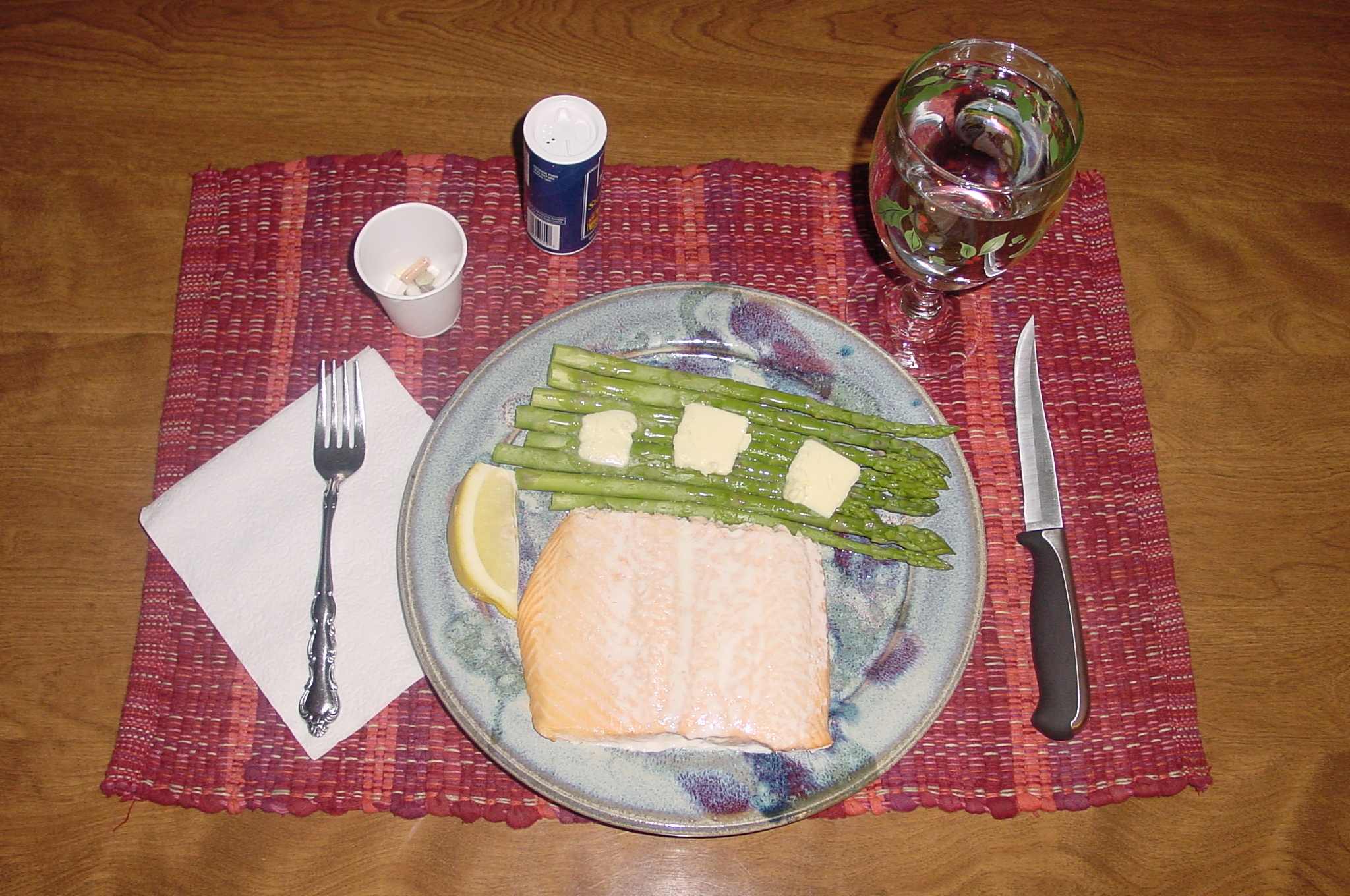 |
|
High-Protein, Low-Carb Breakfast 100% ground beef fried in coconut oil topped with Swiss cheese. Add fried mushrooms and boiled asparagus. Reverse osmosis water, potassium chloride salt substitute, vitamins, minerals, and supplements. Click picture to enlarge. |
High-Protein,
Low-Carb Lunch Gas-grilled lamb riblets. Shoulder steaks are also very good. Cooked red peppers and tomatoes. Reverse osmosis water, cod liver oil, potassium chloride salt substitute, vitamins, minerals, and supplements. Click picture to enlarge. |
High-Protein,
Low-Carb Dinner Baked farm-raised salmon fillet with boiled asparagus. Always enjoy real butter on cooked vegetables. Reverse osmosis water, potassium chloride salt substitute, vitamins, minerals, and supplements. Click picture to enlarge. |
Ineffective Herbal Treatments for Urination Difficulties Caused by Benign Prostatic Hyperplasia (BPH)
The following products are highly touted as effective treatments for urination difficulties caused by BPH. However, personal testing and extensive studies have shown that these herbal products do not work.
Graminex Flower Pollen Extract. Graminex Flower Pollen Extract was tested with high hopes that it would reduce the symptoms of BPH according to the claims. However, the claims as listed below have not been realized. Graminex flower pollen extract was formally called Cernilton. The scientific studies showing Cernilton to be helpful in reducing an enlarged prostate and increasing the urine flow rate have not been realized in personal experience. Do not bother taking Graminex Flower Pollen Extract. It does not work.
Graminex PollenAid Flower Pollen Extract 90 caps ( Formerly called Cernilton).
Use of cernilton in the therapy of prostatic adenoma and chronic prostatitis.
"Cernilton is a phytodrug containing pollen extract. It has antiandrogenic and anti-inflammatory effects influencing alpha1-adrenoblockers located in the zone of the detrusor and urethra. A conservative therapy with cernilton was given to 72 patients with chronic prostatitis and prostatic adenoma of stage I-II. Detailed urologic examination before the treatment and after it demonstrates that cernilton is effective, safe, and well tolerated medicine for prostatic adenoma and chronic prostatitis. Cernilton is recommended for wider use in the treatment of patients with prostatic adenoma and chronic prostatitis."
Cernilton in the treatment of prostatic adenoma and chronic prostatitis.
"The efficacy of the drug cernilton was studied in patients with prostatic adenoma (PA) and chronic bacterial prostatitis (CBP). One group and two subgroups of patients were studied: 31 men with PA received cernilton for 3 months (group 1); 32 patients with CBP received antibacterial treatment (for 8 months) and cernilton for 3 months (group IIa); 30 CBP patients received standard antibiotic treatment for 2 months maximally (group IIb). All the patients were examined before the treatment and 3 months later. According to IPSS, patients of group 1 showed a significant (p < 0.001) regress of low urinary tract symptoms and improvement of quality of life. PSA in the serum lowered by 21.2%. Qmax significantly increased (p < 0.001), Vprost and Vres diminished. According to the scale NIH-CPSI, relief of pain, dysuria was greater, quality of life improved more in patients of group IIa than in group IIb (p < 0.05). The same trend was in the values Qmax, Vres and Vprost. Thus, it is evident that cernilton is effective in monotherapy of PA and combined treatment of CBP."
Phystosterol Complex with Beta-Sitosterol is a product marketed for the treatment of benign prostate hypertrophy (enlarged prostate). This complex includes beta-sitosterol, the component in Saw Palmetto that is thought to benefit men with an enlarged prostate. However, the effectiveness in treating an enlarged prostate, as is common in elderly men, is questionable. Even so, a nice side effect is its ability to reduce blood pressure. This is a nice combination because many elderly men suffer from both conditions. The product may also be effective for treating hypertension in women who are not pregnant, lactating, hypoglycemic, or diabetic. Don't expect a marked reduction in the size of the prostate when supplementing the diet with phystosterol complex with beta-sitosterol. Salesmen and brochures claim you will "pee like a garden hose." This is an absolute lie. It will most likely not help at all.
Saw Palmetto has been touted for years as the treatment for BPH. In fact, many urologists have recommended this herbal product. However, studies have been done that prove saw palmetto is totally useless in the treatment of BPH. Do not bother taking it.
Saw palmetto herb 'no aid to prostate health' - April 14, 2006.

You can contact the author by clicking the mailbox above.
Other Diet Considerations
Aspartame in diet soft drinks causes increased nighttime urination difficulties in BHP.
Aspartame in diet soft drinks is converted in the body to the amino acid phenylalanine that is the precursor to tyrosine which, in turn, is the precursor to dopamine and the excitatory neurotransmitters, norepinephrine, and epinephrine.
Phenylalanine should be avoided in:
High blood pressure. Has hypertensive properties and should be avoided with people with high blood pressure.
Urination Difficulties Caused by Benign Prostate Hyperplasia (BPH or enlarged prostate).
Pregnancy.
Pigmented melanoma.
PKU (phenylketonuria).
Panic disorder/anxiety attacks.Note:
See Tyrosine. It is more powerful and safer in raising the level of norepinephrine and thereby treating depression.
Protein and L-Glutamine Drink At Dinner Reduces Nighttime Urination Difficulties
Protein and L-Glutamine Drink. Prepare a drink made with whey amino acid protein powder which is enriched with extra glutamine amino acid. The protein powder consists of a full compliment of amino acid isolates that heal the body and require no digestion. Prepare the drink by blending 8 to 16 oz of reverse osmosis with UV lamp water or unsweetened, low-sodium tomato juice with 1 heaping teaspoon (12 gm) of whey protein powder plus 1 rounded teaspoon (8 gm) of glutamine amino acid powder. Stirring vigorously with the teaspoon is sufficient. The whey protein must be specified on the carton as isolates from cross flow microfiltration and ion-exchange, ultrafiltered concentrate, low molecular weight, and partially hydrolyzed whey protein peptides rich in branched chain amino acids and glutamine peptides. The low-carbohydrate type at 1 gm per scoop or less is best, but it should not be more than 4-5 gm of carbohydrates per scoop. Do not substitute protein from soy, egg, casein, or any other source. Sugar or any other sweetener is unacceptable. Use the "natural flavor" without additives. This amino acid drink can be enjoyed anytime with or without a meal. Amino acids are foods that build and maintain the body. Refrigerate whey protein powder and discard if it is old. Whey protein powder can cause some gas and an unusually "full" feeling. Discontinue the whey protein powder if the reactions are unpleasant. Continue to take the glutamine powder.
L-Glutamine Amino Acid.
Ultimate Lo Carb Whey Powder - Natural Flavor by Biochem.
Amino Acids - The Building Blocks of Life and Healing.This combination of amino acids has been shown to provide the following healing properties:
Provides pain-killing effects by healing the nervous system.
Absorption of body building amino acids without requiring digestion.
Stimulates insulin-like growth factor 1 (IGF-1) which functions similarly to insulin and enhances protein synthesis and healing.
Fights infections by stimulating the immune system. All immune cells are made from poly-peptides of amino acids.
Provides bone growth of protein collagen and strengthens bones. Poor digestion has been shown to cause osteoporosis and degenerative bone disease.
Provides all of the amino acids required to heal and grow ligaments, tendons, joints, muscles, intestinal tract, heart muscle, and all other organs of the body.
Prevents hypoglycemia (low blood sugar) symptoms in people with hypoglycemia or diabetes.
The three most nutritionally important omega-3 fatty acids are alpha-linolenic fatty acid (ALA), eicosapentaenoic acid (EPA), and docosahexaenoic fatty acid (DHA). Alpha-linolenic fatty acid is one of two fatty acids traditionally classified as "essential." The other fatty acid traditionally viewed as essential is an omega-6 fat called linoleic acid. These fatty acids have traditionally been classified as “essential” because the body is unable to manufacture them on its own and because they play a fundamental role in several physiological functions. As a result, we must be sure our diet contains sufficient amounts of both alpha-linolenic acid and linoleic acid.
The three most nutritionally important omega-3 fatty acids are alpha-linolenic fatty acid (ALA), eicosapentaenoic acid (EPA), and docosahexaenoic fatty acid (DHA). Alpha-linolenic fatty acid is one of two fatty acids traditionally classified as "essential." The other fatty acid traditionally viewed as essential is an omega-6 fat called linoleic acid. These fatty acids have traditionally been classified as “essential” because the body is unable to manufacture them on its own and because they play a fundamental role in several physiological functions. As a result, we must be sure our diet contains sufficient amounts of both alpha-linolenic acid and linoleic acid.
Clinical Intervention?
BOSTON, MASSACHUSETTS. Dr. Michael Barry of the Harvard Medical School and the Massachusetts General Hospital provides an excellent review of the current status of PSA screening for prostate cancer. Dr. Barry starts out by posing the question "Should a 65-year-old man with no risk factors for prostate cancer except his age and with a normal digital rectal examination undergo a PSA (prostate-specific- antigen) test?" Dr. Barry points out that whether or not to have a PSA test is controversial because of the following:
No randomized clinical trials have ever demonstrated that early detection and aggressive treatment of prostate cancer reduce mortality;
The treatments usually mobilized after a positive PSA test and biopsy (radical prostatectomy, radiation therapy or castration) are associated with severe side effects including impotence and incontinence.
He also emphasizes that the PSA test is not that accurate. A recent large-scale trial showed that using a cut-off point of 4.0 ng/mL would pick up 46 per cent of cancers that would occur within the next ten years with an accuracy of 91 per cent. The average age of the test group was 63 years. Among older men with benign prostatic hyperplasia (enlarged prostate), the accuracy may be as low as 54 per cent, leading to many unneeded biopsies and much unwarranted anxiety. It is estimated that 75 per cent of men undergoing a prostate biopsy because they have PSA levels between 4 and 10 ng/mL do not have cancer. On the other hand, there is also a 10 per cent chance of harbouring cancer even though the biopsy shows nothing.
There are currently at least two large-scale trials underway to determine whether PSA screening is beneficial or harmful overall. However, the results of these trials are not expected until the year 2009. In the meantime Dr. Barry recommends that men aged 50 to 75 years of age (with no established risk factors) should be made aware of the availability of the PSA test and its potential risks and benefits so they can make an informed choice about having the test. They should receive information on the following points:
The likelihood that prostate cancer will be diagnosed;
The possibilities of false negative and false positive results;
The anxiety associated with a positive test;
The uncertainty regarding whether screening reduces the risk of death from prostate cancer.
Several studies have shown that providing this information significantly reduces the proportion of men who decide to be tested.
Barry, Michael J. Prostate-specific-antigen testing for early diagnosis of prostate cancer. New England Journal of Medicine, Vol. 344, May 3, 2001, pp. 1373-77.
MONTREAL, CANADA. Physicians in North America are becoming increasingly enthusiastic about screening men for prostate cancer. Prostate cancer is now the second most common cancer among Canadian men and is second only to lung cancer in cancer mortality. The two screening tests commonly used are the digital rectal examination (DRE) and the prostate-specific antigen (PSA) blood test. Recently some doctors have been warning against the wholesale use of screening tests. Dr. Kenneth Marshall of the Queen Elizabeth Hospital in Montreal emphasizes that obtaining the patient's informed consent prior to testing is essential. This is because the PSA test in particular often gives a false reading. This can lead to dangerous, invasive biopsies, and subsequent even more dangerous surgery and radiation Prostate cancer operation delay 'safe'ent. It is estimated that 30 per cent of men undergoing radical prostate surgery become impotent, five to six per cent become incontinent and about one per cent die of the operation. Dr. Marshall concludes there is, as yet, no evidence that screening for prostate cancer actually saves lives - a view supported by many European urologists. He also points out that screening and biopsies may actually do more harm than good in cases where the tumor might have remained dormant or only grown very slowly.
Marshall, Kenneth G. Screening for prostate cancer. Canadian Family Physician, Vol. 39, November 1993, pp. 2385-90." Additional information is available at:International Health News - Prostate Cancer Detection
Prostate cancer test overused, study says
Alpha-Methylacyl-CoA Racemase
A New Molecular Marker for Prostate CancerProstate cancer operation delay 'safe'
"Delaying surgery on small, low-grade prostate tumours does not increase the risk of the disease progressing to an incurable form, research suggests. A 10-year study involving 320 men by Baltimore's Johns Hopkins University found it can be safe to delay surgery. The risk of noncurable prostate cancer was the same for men waiting two years for surgery as for those who had surgery immediately, researchers said."
Prostate Cancer Screening Treatment Questioned
"NEW YORK (Reuters Health) - Men who receive prostate cancer screening and treatment do not appear to gain a survival benefit compared to men who do not undergo screening and treatment, study findings show.
The report, which is published in the October 5th issue of the British Medical Journal, adds to the ongoing debate on the value of prostate cancer screening.
Regardless, many men believe that screening is beneficial and would recommend the procedure, according to a second study in the same issue.
Currently, the American Cancer Society recommends annual prostate specific antigen (PSA) testing and a rectal exam beginning at age 50--and at age 45 for African Americans and men with a family history of the disease, who face a higher risk. Several other scientific and medical groups do not recommend routine prostate cancer screening.
Unlike other types of cancer, some prostate cancers can be slow growing and may never threaten the patient's life. Some say screening for prostate cancer using a PSA test may lead to unnecessary treatments--with side effects such as impotence and incontinence--by detecting cancers that are not life threatening.
In the current investigation, lead author Dr. Grace Lu-Yao of the University of Connecticut Health Center in Farmington and colleagues evaluated screening, treatments, and deaths from prostate cancer among two different groups--94,900 men in Seattle, Washington, and 120,621 men in Connecticut.
The PSA testing rate was 5.4 times higher for the men living in Seattle between 1987 and 1990 compared with men living in Connecticut, and the biopsy rate was more than double for the Seattle men compared to the Connecticut men in that time, the authors report.
This time period is considered the "early PSA era" and offers a unique opportunity for researchers to compare prostate cancer outcomes between different regions of the country that, at the time, had different approaches to PSA screening.
When the researchers assessed prostate cancer treatments between 1987 and 1996, they found that men in the Seattle group were about five times more likely to have their prostate removed. And, 3.9% of the Seattle group underwent radiation treatment compared to 3.1% of the men from Connecticut.
Despite the more intensive screening and treatments that took place among the Seattle group, the number of men who died from prostate cancer in the two groups over the total 11-year study period was nearly equal.
"The lack of association between more intensive screening and treatment and lower prostate cancer mortality suggests that trials should continue in order to settle this question," the researchers conclude.
In a second study, Alison Chapple and colleagues at the University of Oxford, UK, interviewed 52 British men suspected or confirmed to have prostate cancer about their beliefs about prostate cancer screening.
While the bulk of the men reported that they would recommend that others get a PSA test, four of the men in the group told the investigators that they were against national screening for prostate cancer.
For the most part, men in the "pro-screening" camp felt that early detection would improve their chances of recovery--despite the lack of scientific evidence supporting such a stance--or they thought that screening was a medically responsible thing to do.
"Doctors, policymakers and politicians need to understand why people want wider access to PSA testing, so they can find better ways of communicating information about risk," Chapple and colleagues conclude.
PSA is a protein produced by the prostate gland. PSA levels above 4 nanograms per milliliter (ng/mL) of blood can signal prostate cancer, but not always--sometimes a rise in PSA is due to another cause, and sometimes cancer can occur without a rise in PSA. About 20% of aggressive prostate tumors are found in men with normal PSA levels."
SOURCE: British Medical Journal 2002;325:737-742.
PSA Testing: It Was Medical Gospel, but It Wasn't True
|
Urology is the best example of modern medicine gone BAD. |
General Prostate Information and References
Main Menu of The Prostate Cancer InfoLink site (preserved at Phoenix5)
Very Informative Web Site.Clinical Staging, from the Prostate Cancer InfoLink site (preserved at Phoenix5)
Gives a detailed explanation of the different stages of prostate cancer.From Phoenix5's Prostate Cancer Glossary
Describes the Gleason Score for determining the cancer stage.Genes 'determine prostate cancer'
A man's genetic make-up could have a direct bearing on his chance of developing prostate cancer, scientists have found.Gene fingerprint could spot cancer
Scientists may be one step closer to gaining the ability to "fingerprint" prostate cancers - spotting which are the most likely to spread.Facing Prostate Cancer, but How?
It is, of course, prostate cancer. And the dilemma for the growing number of men whose tumors are found when they are small and confined to the prostate is what to do about it.
Selenium and Vitamin E May Significantly Reduce the Risk of Prostate Cancer
Vitamin E must be the natural, mixed-tocopherols type. Synthetic Vitamin E is actually unhealthy.
"In addition to selenium, Vitamin E also plays a prominent role in a new study on how selenium supplements may help prevent prostate cancer. Most selenium supplements sold are mixed with Vitamin E, and experts say the two appear to work together against cancer. Vitamin E's role as an antioxidant was highlighted this week when the Journal of the National Cancer Institute published results of a major new study of prostate cancer and selenium.
Researchers studied 33,000 men taking part in a health study that started in 1987; by 1994, 181 of the men had developed prostate cancer. The new report's authors, Philip Taylor and Demetrius Albanes of the National Cancer Institute, said their study suggested a sharp reduction in prostate cancer risk for men with a high intake of selenium. The reduction can range from one-half to two-thirds, the researchers reported.
Scientists are encouraged by new studies suggesting that antioxidants, such as Vitamin E, can play a preventive role against forms of cancer. The National Cancer Institute authors, Taylor, and Albanes, noted that both selenium and Vitamin E work as antioxidants, but said there is uncertainty about how the antioxidants affect tumors." Read the entire article at:
Selenium and Vitamin E May Reduce the Risk of Prostate Cancer
Eating Fatty Fish May Slash Risk of Prostate Cancer
"New York, June 1, 2001 (PSA Rising) -- Consumption of fatty fish such as salmon, sardines, herring, and mackerel could reduce the risk of prostate cancer by a third, according to a report in June 2 issue of The Lancet.
Essential fatty acids -- especially omega-3 fatty acids contained in large amounts in fatty fish -- have previously proved to inhibit the growth of prostate cancer cells." Read more about Omega-3 fatty acids at:
Prostate Cancer Risk and Diet
"MAASTRICHT, THE NETHERLANDS. Many studies have attempted to find an association between prostate cancer risk and diet. Some studies have found an increased risk with high intakes of animal products and calcium, others have been inconclusive. Researchers at Maastricht University have just released the results of a major study regarding diet and prostate cancer risk. The study was part of the Netherlands Cohort Study which involves 58,279 men aged 55 to 69 years when they enrolled in the study in September 1986. The men completed a 150-item food frequency questionnaire at the beginning of the study period and also provided detailed information relating to other potential risk factors for cancer. After 6.3 years of follow-up 642 of the men had developed prostate cancer. The diet of these men was compared to that of 1525 men without prostate cancer. The researchers concluded that the overall consumption of fresh meat and poultry, fish, cheese, and eggs showed no correlation with prostate cancer risk. Consumption of whole yogurt was associated with a decreased risk, but no correlation was found between calcium intake and prostate cancer risk. There was some indication that certain cured meats (eg. sausages) were associated with an increased risk.
Schuurman, A.G., et al. Animal products, calcium, and protein and prostate cancer risk in the Netherlands Cohort Study. British Journal of Cancer, Vol. 80, No. 7, June 1999, pp. 1107-13." Other studies claim the opposite:
Are all cases of prostate cancer equal in risk?
"Bluntly, no they aren't. One of the most infuriating problems is that for many men a diagnosis of prostate cancer is not significant! If you look at the prostates taken from 100 American men over 50 years old who die in car crashes and similar accidents, that is men who never showed any clinical sign of prostate cancer while they were alive, you can, in fact, find small areas of cancer in the prostates of about 30 of those men (30%). Those men could have lived for years with those small areas (foci) of prostate cancer -- or some of them could have been diagnosed with clinically significant prostate cancer just a few months later if they had lived. If you do the same thing with American men over 90 years old, you find that 90% of them have microscopic evidence of prostate cancer.
These small areas of prostate cancer tissue that do not develop into clinically important disease are often called "latent" prostate cancer. For an average American man of 50 years of age, with a reasonable life expectancy of another 25 years, the chance that he will develop a microscopic focus of so-called "latent" prostate cancer tissue is estimated to be 42% (that is, 42 of 100 such men will get such a microscopic focus). However, the chance that the same man will get clinically significant prostate cancer (that is, prostate cancer that is associated with clear signs or symptoms of the disease) is only 9.5%. Finally, of the same 100 men, only about three will actually die of prostate cancer. So you can clearly see that while many men may get prostate cancer, it will actually affect relatively few of them very seriously. It is often said that most men are much more likely to die with prostate cancer than because of this disease.
We do not yet know how to tell which men with a small focus of prostate cancer are most likely to go on to get clinically significant disease. This is one of the most important things to understand about prostate cancer. It affects almost everything about the disease. It is something you should think about and discuss with your doctor before you ask to have specific tests for prostate cancer and most certainly before you receive treatment for early stages of prostate cancer which are confined to the prostate. You may be better off not having the specific tests if you have absolutely no reason to believe you are at risk for prostate cancer. And even if you are diagnosed with a small focus of cancer confined to the prostate, you may be better off if the doctor practices so-called watchful waiting rather than attempting curative therapy. You and your doctor need to make decisions like this together, and you should ask your doctor for all the information he or she can give you before you take those decisions." Read the entire article at:
"July 2, 2002 — Many men over 60 are receiving unnecessary surgery and other treatments for prostate cancer even though the disease is unlikely to progress far enough to cause health problems, according to one analysis." Read the entire article at:
High Calcium Intake May Increase Risk Of Prostate Cancer
"DAVIS, CA ---September 21, 2001 -- According to a new study in the American Journal of Clinical Nutrition, the risk of prostate cancer in men may increase with calcium intake, especially from dairy products.
As part of the Physicians' Health Study, Dr. Chan et al. investigated the connection between dairy product and calcium consumption and prostate cancer in a large group of male physicians in the United States. Compared with the men who consumed less than .5 serving of dairy products daily, men who consumed more than 2.5 servings had a 34 percent higher risk of developing prostate cancer.
The study group of 20,885 male physicians completed self-administered questionnaires concerning diet and lifestyle between 1982 and 1995. During 11 years of follow-up, 1012 incidents of prostate cancer were reported. The investigators created a dairy score for each participant by summing up the daily calcium contributions from each of five common dairy foods.
Men in the highest quintiles of dairy product consumption had a significant, 34 percent greater risk of prostate cancer when compared to those in the lowest categories. When calcium intake was examined apart from dairy product consumption, the risk ratio was 30 percent higher for advanced prostate cancer and 47 percent higher for non-advanced cases.
Of the dairy products consumed by the participants, only skim milk was individually positively associated with prostate cancer risk, perhaps because it accounted for 48 percent of total consumption of dairy foods.
The authors propose that dietary calcium increases prostate cancer risk by suppressing the production of 1,25-dihydroxyvitamin D3, the most active form of vitamin D, which is thought to protect against this disease. Examination of vitamin D metabolites in a subset of the study population revealed that those with the highest quintile of calcium consumption (>600 mg/day) had 17 percent lower serum concentrations of 1,25-dihydroxyvitamin D3 than those in the lowest quintile of calcium consumption ( £ 150 mg/day). Although the study did not address supplemental calcium consumption, previous studies limited to supplements have demonstrated similar risk ratios."
The authors conclude that, "These findings may serve to interject a note of caution into the current enthusiastic promotion of a higher intake of calcium in the United States."
Prostate Cancer and Milk - The overwhelming majority of research suggests strongly that increased milk consumption is associated with increased risk for prostate cancer.
An Easier Way to Diagnose, Track Prostate Cancer? New Test Almost 100% Accurate, Researchers Say
By Liza Jane Maltin
WebMD Medical News"May 1, 2000 (Atlanta) -- Researchers have discovered a new marker that may soon make prostate cancer diagnosis as quick and easy as a simple urine test.
The tool currently used for detecting prostate cancer -- PSA, or prostate specific antigen, testing -- is woefully inadequate, says lead researcher Mark Stearns, PhD. Not only does the test require a blood sample, it's not very accurate. "At least 25% of patients with cancer show up negative for PSA," he tells WebMD. And patients with benign, or non-cancerous, prostate problems often test positive for PSA.
So Stearns and his team at Medical College of Pennsylvania in Philadelphia "attempted to develop a better, less-invasive [test]. We were able to identify a marker that is present in the urine of patients with cancer but not in patients with benign disorders," he says. They presented their findings here Monday at a meeting of urology experts.
First, the researchers performed tests on cancerous and non-cancerous prostate tissue. They tested more than 4,000 substances and identified what seems to be a new marker that appears only in cancerous tumors. This new marker is a protein called prostate specific transcription factor (PSTF-1).
Next, they developed a simple urine test that doctors could use to screen patients for the marker. When they tested urine samples from more than 200 patients with cancer or benign prostate disease, they found that the test provided very accurate results. One hundred percent of the positives were from patients who had cancer, and nearly all of those with negative urine tests had no cancer.
Even more important, says Stearns, unlike PSA testing, the amount of PSTF-1 in the urine was a strong indicator of how severe the patient's cancer was. This means that the test could eventually be used to see whether prostate cancer treatment is working."
Prostate Cancer Alternative Treatments
"To make any sense of this handout, you must already understand that the diagnosis of prostate cancer has been made, and that the additional studies and scans suggest that no spread of the cancer from the prostate has occurred. Assuming these studies to be accurate, any treatment that can control the cancer in the prostate, will therefore control all the cancer. The following are the choices that are available to us in the treatment of localized prostate cancer (Stage B)."
Australia's first large study of a prostate cancer treatment described as "smart bombing" shows the therapy prevents the disease from spreading in 90 per cent of cases and has minimum side-effects. Researchers say the results show the treatment, known as radiotherapy, should be offered more widely for prostate cancer patients. High dose rate radiotherapy (HDRB) directs intense radiation into affected parts of the prostate through hollow wires, minimizing damage to surrounding tissue. Urologist Phil Stricker, whose study is published in the latest Australasian Radiology journal, said HDRB was more precise than the "carpet-bombing" approach of conventional radiation therapy. In conventional radiation therapy external beams are directed at the patient, with the risk of radiation spilling over into healthy areas.
Prostate Cancer Cure
THERAPY OF PROSTATE CANCER - August 1997 - Read Article No. 18
"UI - 97322736
AU - Shukla SK; Limouris GS; Cusumano R; Acconcia A; Cipriani C; Atzei G; Argiro G; Boemi S
TI - Advanced prostate cancer diagnosis and therapy with gallium-67 and yttrium-90, respectively.
SO - Anticancer Res 1997;17(3B):1731-4
AD - Servizio di Medicina Nucleare, Ospedale S. Eugenio, Roma, Italy.BACKGROUND: Androgen deprivation therapy remains so far the mainstay of advanced prostate cancer treatment. Although it improves the quality of life of the patient for some time, the disease progresses and soon it becomes hormonally unresponsive. The object of our research has been to find a systemic therapy for prostate cancer patients whose disease no longer responds to hormone therapy, radiation therapy, chemotherapy, and immunotherapy.
PATIENTS AND METHODS: Thirty-one advanced prostate cancer patients with intense bone metastasis pain, bed ridden, and with permanent urinary catheter were first examined with Ga-67 and then treated with Y-90 solutions which were chromatographically and electrophoretically analysed for the presence of both cationic and anionic species of the radionuclid- e. The quality of life and prostate specific antigen (PSA values) values were followed for testing the success of the therapy.
RESULTS: Prostate cancer-affine Y-90 cured the advanced prostate cancer patients who regained their normal life. The uptake of the radionucl- ide in the primary cancer and its metastases responsible for the treatment has been confirmed by scintigraphy.
CONCLUSIONS: Prostate cancer-affine Y-90 solution, containing stable cationic and anionic species of the radionuclide, is effective in the cure of advanced prostate cancer patients."
News About Prostate Health
Immune drug called ipilimumab, shrank prostate tumours. BBC Health - June 19, 2009.
"Researchers are probing an unexpected success in a study of an experimental treatment for prostate cancer. In three men with advanced disease, use of an immune drug called ipilimumab, shrank their tumours to such an extent surgeons were able to operate."
The prostate cancer 'wonder pill' set to save thousands every year.
By Daniel Martin
Last updated at 7:54 AM on 22nd July 2008"British researchers have made a dramatic breakthrough against a lethal form of prostate cancer.
Trials of a new pill have shown that it can shrink tumours in up to 80 per cent of cases, and end the need for damaging chemotherapy and radiotherapy.
Experts hailed the advance as potentially the biggest in the field of prostate cancer for decades, capable of saving many thousands of lives.
Scientists believe the technique could also be effective on other tumours, such as breast and bowel cancers.
The drug, abiraterone, was discovered by researchers at the Royal Marsden Hospital in South-West London.
Their leader, Dr Johann de Bono, said patients there had been able to control the disease with just four pills a day and very few side-effects.
Prostate cancer is Britain's most common cancer among men and the second highest killer, after lung cancer. Some 35,000 people a year are diagnosed with it - and 12,000 die.
There are two types, aggressive and non-aggressive, which are often called 'tiger' and 'pussycat'. Men with pussycat cancer can often lead a healthy life, but the tiger variety - a third of cases - is usually fatal within 18 months."
Gene fuels deadly prostate cancer - BBC News - June 21, 2008.
"Prostate cancer accounts for a quarter of cancers in men
A faulty gene closely associated with breast cancer is also responsible for a particularly dangerous form of prostate cancer, research has confirmed."Caution on cancer exercise link - BBC News - April 14, 2008.
"The US study found tumours expanded twice as fast in mice given exercise wheels compared to those without."
This treatment with a 120-watt green light laser appears to shrink the prostate gland as described. However, cooking the prostate with 120-watts of power does not sound like a great idea. Placing 120-watts into such a small enclosed area should not be described as "gentle prostate therapy". The clinic does not list any of the side effects, of which many must be severe.
Dendreon stock triples on prostate cancer finding - March 30, 2007.
"BOSTON (Reuters) — Shares of Dendreon (DNDN) tripled Friday after an advisory panel to the U.S. Food and Drug Administration recommended approval of its experimental therapeutic cancer vaccine. Dendreon's Provenge is not a preventive vaccine to be given before the disease develops, but a therapeutic vaccine that is given once the disease has been diagnosed, to prevent its further progress.
Dendreon showed that its novel cancer therapy is reasonably safe and provided "substantial evidence" it benefits men with advanced prostate cancer, the panel ruled Thursday. Provenge is designed to stimulate the body's immune system to fight a diagnosed cancer.
Two Dendreon studies failed to meet their main goal of slowing the progress of advanced prostate cancer, but one analysis found patients treated with the product lived about 4.5 months longer."
This news report is not good news for men with prostate cancer. Men want a treatment to cure their cancer, not simply prolong life by an average of only 4.5 months. This is ridiculous. Living 4.5 months longer is next to worthless. Men do not want to die from prostate cancer. Many men will likely opt for this cancer treatment without knowing the insignificant benefit. Other treatments such as surgery or radiation have been shown to provide a lasting cure in many men. This more promising treatments should not be bypassed in favor of the Provenge treatment that only provides an average live extension of 4.5 months.
What is the Prostate Specific Antigen (PSA) Test and Free PSA
"PSA is a protein manufactured in the prostate and virtually no other organ. Women, who lack prostates, do not have detectable levels of PSA. Actually, PSA is the enzyme responsible for liquifaction of semen a few minutes after it has clotted. The prostate glands manufacture this protein in large quantities."
Researchers find better predictor of prostate cancer risk
By Tim Friend, USA TODAY, 08-25-2003Test identifies aggressive tumours
"A simple test can be used to identify patients with the most aggressive prostate cancers.
Researchers say it is so sensitive it can even differentiate between patients whose tumours are at the same stage. At present the degree to which prostate cancers have progressed is determined by the Gleason grading system, which is based on the shape and microscopic appearance of tumours.Patients with higher grades of tumour are in more advanced stages of the disease, but the grade does not tell how aggressively the tumours have been growing or stimulating the development of secondary growths. Prostate cancer is set to become the most common male cancer by 2006, as lung cancer rates fall and the population ages.
On the increase
Incidence of the cancer has been rising steadily over the last 30 years. It now affects around 22,000 men in the UK each year and is fatal for around 10,000.
The Gleason grading system assigns tumours a score between two and 10, with 10 being the most advanced cancer. Patients with a Gleason score from seven to 10 have a higher risk of dying of prostate cancer than those with lower scores, but some patients with higher scores outlive some with lower scores. This means that within any score, there are biologically aggressive and less aggressive forms of cancer. This makes it more difficult to predict outcomes for individual patients.
Enzyme clue
The new test, developed by Professor Akhouri Sinha, of the University of Minnesota, works by measuring concentrations of two important chemicals. One, an enzyme called cathepsin B (CB), helps cancer cells to invade surrounding healthy tissue. The other, called stefin A, blocks the action of cathepsin B. The researchers analysed tissue samples from 97 prostate cancer patients and eight patients with a benign enlargement of the prostate. They found that the level of cathepsin B relative to the level of Stefin A was significantly higher in patients whose cancer had spread.
Professor Sinha said: "The ratio of CB to stefin A reveals differences in tumours that are not visible under the microscope. "If this test were done on tumours of newly diagnosed patients, we would have an indication of which cancers were most aggressive, and we could give those patients aggressive treatment. Professor Sinha said the same approach could also be used for breast and colon cancer.
Reaction
Dr Charlotte Bevan, of the Prostate Cancer Charity, said: "This is a very exciting development as it could aid physicians in determining what level of treatment would be best for a given patient. "As cancer therapy itself can be very aggressive and exhausting for a patient and produce undesirable side-effects, any test that identifies cases where therapy can be minimized or made less aggressive is going to significantly improve the lives of these patients and their friends and families."
Dr Sara Hiom, a science information officer at the charity Cancer Research UK, said scientists around the world were trying to find a way to pinpoint which prostate cancer tumours were potentially fatal, and which did not require intensive treatment. "We would welcome any accurate test that could distinguish between aggressive and indolent types of prostate cancer. We await results of further studies with great interest."
UK scientists from the Institute of Cancer Research recently announced a major initiative designed to find ways to differentiate between prostate tumours. Dr Chris Parker told BBC News Online that the US study showed promise in one particular field, that of identifying molecular differences between tumours. The UK effort will also focus on differences in the blood supply and oxygen supply between tumours as well as testing thousands of potential molecular markers.
The research is published in the journal Cancer."
Reference Books and Online Support Groups
Active Low-Carber Forums - Atkins & Low Carbohydrate Diet Support Group
You can talk with others who have bowel diseases or Candida about their experiences. Registration is free but is required before you can post your own message or question. You can click above to visit and read posts by others. Look for the "Candida Yeast & IBS" topic link.
Life Without Bread: How a Low-Carbohydrate Diet Can Save Your Life
Life Without Bread is an important addition to the growing body of literature on the benefits and importance of low-carb diet. Written by Christian Allan, Ph.D., and Wolfgang Lutz, M.D., the book is based on Dr. Lutz's experience using carbohydrate restricted diets with thousands of patients for more than 40 years. It is based on extensive research in the medical and scientific literature, and provides ample references. The book presents a unified theory of how high (and even "moderate") levels of dietary carbohydrate cause or exacerbate various health problems, and how carbohydrate restriction can help people to recover from those problems.
The book Life Without Bread by Christian Allan, Ph.D. and Wolfgang Lutz, M.D. has a chapter on gastrointestinal diseases. Don't be mislead by the title to believe the cure is the simple elimination of bread. Mr. Lutz's older book is out of print but has essentially the same information. It may even contain more detail than his new book above. Fortunately, Chapter VII: Gastro-Intestinal Tract of the older book can be read online.
Dr. Atkins' New Diet Revolution - Revised and Improved
The Atkins' New Diet Revolution is the best book for an initial dietary change and quick weight loss, reduced blood pressure and reduced cholesterol. Look for the companion book for recipes. It has some very interesting case studies from the doctor's patients. It includes data from past civilizations proving the low-carbohydrate diet is the most healthy.
Robert C. Atkins, M.D. ISBN: 006001203X.Dr. Atkins' Age-Defying Diet Revolution
This is Dr. Atkins newest book. The main topics are the cause, prevention, and cure for diabetes and heart disease which have become major health concerns in the United States and many other developed countries.
Robert C. Atkins, M.D. with Sheila Buff ISBN: 0312251890.This book by Dr. Michael and Dr. Mary Dan Eades has an excellent chapter on "Leaky Gut Syndrome" which describes the cause of bowel diseases and autoimmune diseases.
Three Books Are Now Available!
|
|
|
Click
here to review and order!!
The books are more complete than the web pages!!
Join me on Facebook and add me as your friend.
To support this website just place 1 or 2 dollars in an envelope and send it to:
Kent R. Rieske
5086 Cottonwood Drive
Boulder, CO 80301 USA
MEDICAL DISCLAIMER: All information is intended for your general knowledge only and is not a substitute for medical advice or treatment for specific medical conditions. You should seek prompt medical care for any specific health issues and consult your physician before starting a new fitness or nutrition regimen. The information contained in this online site and email is presented in summary form only and intended to provide broad consumer understanding and knowledge of dietary supplements. The information should not be considered complete and should not be used in place of a visit, call, consultation, or advice of your physician or other health care provider. We do not recommend the self-management of health problems. Information obtained by using our services is not exhaustive and does not cover all diseases, ailments, physical conditions, or their treatment. Should you have any health care related questions, please call or see your physician or other health care provider promptly. You should never disregard medical advice or delay in seeking it because of something you have read here. We strongly suggest you select a physician who is knowledgeable and supportive of the low-carbohydrate diet. Many of the physicians listed on this page have health clinics.
Drugs and Doctors May be the Third Leading Cause of Death in U.S.
Why Most Published Research Findings Are False.
Pharmaceutical firms are inventing diseases to sell more drugs.
You can contact the author by clicking the mailbox above.
Copyright © 2002 - 2017 by Kent R. Rieske, B.Sc., and Bible Life Ministries. All Rights Reserved.
Permission is granted to copy this information in whole and without revision providing that full credit is given to the author. This information may not be copied in part and the information may not be included in any material that is offered for sale. You are encouraged to place a link to this article on your website.
 Prophecy
Today for the Body of Christ
Prophecy
Today for the Body of Christ
God's Election & Man's Free Will
Are the Sins of All Mankind Forgiven?
History of the New Testament Scriptures
Ultimate Nutrition Program for Healing & Health
Join me on Facebook and add me as your friend.
Kent R. Rieske, Ministry
Director
5086 Cottonwood Drive
Boulder, CO 80301 USA

Send an Amazon Gift Card to RieskeKR@gmail.com
or send cash or a check to my address above.